
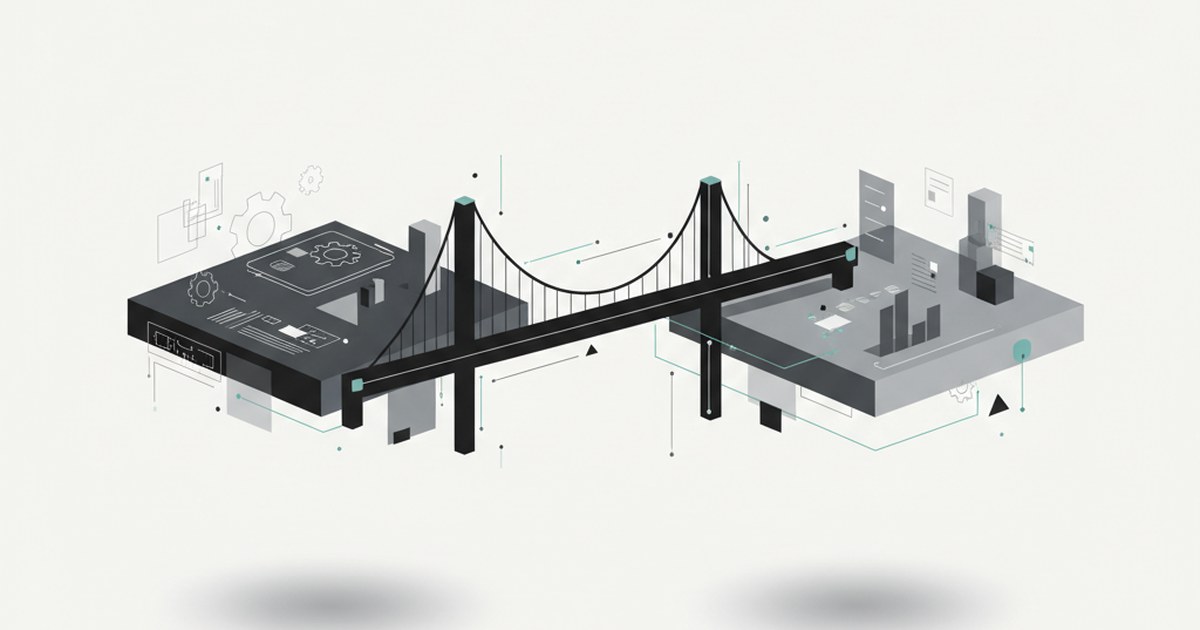
Bridging Engineering and Procurement in Transmission Projects
In the realm of transmission projects, the effective collaboration between engineering and procurement teams can be the determining factor between success and failure. With tight deadlines, budget constraints, and the complexity of modern infrastructure requirements, any breakdown in communication can lead to delays and cost overruns. Simply put, as power demands grow and technology advances, organizations must adopt a more integrated approach that recognizes the interdependence of engineering and procurement.
Understanding the Landscape of Transmission Projects
Transmission projects are far from straightforward. They encompass various components including substations, transmission lines, and often accompanying technologies to guarantee grid reliability. Procurement teams are frequently tasked with sourcing materials, managing supplier relationships, and ensuring compliance with regulatory standards. On the other hand, engineering teams handle the design, implementation, and maintenance of these complex systems. Both sides face mounting pressures, from evolving regulations to solutions for renewable energy integration. When these teams operate in silos, critical insights are lost, risks are amplified, and opportunities for innovation diminish. The first step to bridging this gap is understanding the workflows of both domains. Procurement professionals need insight into the engineering priorities that dictate material specifications, timelines, and project phases. Conversely, engineers must grasp the constraints and possibilities presented by procurement—whether it is budget limitations, lead times, or supplier capabilities. Establishing an ongoing dialogue around these aspects can streamline project execution and foster a more collaborative environment.
Capturing Value Through Early Collaboration
One of the most effective strategies for enhancing cooperation between engineering and procurement is encouraging participation from both sides at the earliest stages of project planning. This collaboration should be more than mere formality; it can significantly impact the project’s overall efficiency and cost-effectiveness. For instance, consider a large-scale transmission upgrade project that experienced significant delays during planned execution. In retrospect, both teams identified that if procurement had been involved in discussions regarding design specifications from the beginning, potential supply chain challenges could have been anticipated. Early collaboration would have allowed engineers to adjust specifications to accommodate available materials and timelines. Close coordination ensures that procurement can quickly source the appropriate materials, while engineering can modify designs to align with realistic project parameters. As a result, this not only reduces the likelihood of redesigns but can lead to improved cost management and shorter timelines.
Leveraging Technology: A Shared Platform for Success
Another way to bridge the gap between engineering and procurement is through the adoption of integrated platforms and tools that facilitate communication and information sharing. Digital technologies have transformed the way teams can interact, facilitating a dynamic exchange of ideas, documents, and updates. For example, using project management tools that allow both procurement and engineering teams to track progress in real-time can alleviate many misunderstandings. These platforms provide a singular view of project status, supplier performance, and potential risks, fostering a sense of shared responsibility. Additionally, these tools can aid in data analysis, identifying trends that may inform future projects. For instance, if procurement notices recurring delays from a specific supplier, this insight can be communicated directly to engineering, resulting in better planning for similar projects down the road.
Cultivating a Culture of Joint Responsibility
Ultimately, the relationship between engineering and procurement is influenced by the organizational culture that surrounds them. To create a truly collaborative environment, leadership should actively cultivate a culture where joint responsibility and mutual respect are prioritized. One practical approach is to implement cross-training initiatives. By having procurement staff spend time shadowing engineers and vice versa, both sides gain firsthand experience of each other’s challenges, processes, and pressures. This shared understanding can foster a collaborative mindset and a commitment to working together toward common goals. For example, a utility company that integrated cross-training as a core part of its operations saw a marked improvement in project delivery times. Engineers became more aware of procurement constraints, and procurement was better positioned to assist engineering teams in anticipating supply challenges. Moreover, this focus on teamwork can extend beyond internal stakeholders to include suppliers and contractors. Encouraging open lines of communication with external partners can yield valuable insights that might not otherwise be captured, aligning entire teams toward project success.
Measuring the Impact: From Collaboration to Competitive Advantage
The benefits of bridging the gap between engineering and procurement are substantial. Not only can organizations see improved project delivery times and reduced costs, but these collaborations also translate into measurable business outcomes. Companies that successfully align these functions are often more agile, adaptive, and responsive to market demands. To quantify these benefits, leaders should establish key performance indicators (KPIs) that track metrics such as project timelines, budget adherence, and supplier reliability. Analyzing these KPIs over time reveals patterns that can kick-start continuous improvement efforts. For instance, if combined efforts have led to a 20% reduction in project delays, this statistic can serve as a clear indicator to secure further investments in integrated approaches. In addition, cultivating a culture of collaboration among engineering, procurement, and supply chain teams can empower organizations to innovate more boldly. Companies that break down traditional silos are often the first to embrace new technologies, adapt to shifting regulatory landscapes, and respond to the growing demands for sustainable energy solutions.
Converging Paths for Future Progress
As the energy landscape undergoes continuous transformation, the imperative for cohesive collaboration between engineering and procurement becomes increasingly critical. In a world where efficiency, sustainability, and reliability are top-of-mind, organizations that prioritize interdisciplinary teamwork will emerge not only as industry leaders but also as champions of innovation. By executing strategies that promote early collaboration, leverage technology, and cultivate a culture of joint ownership, organizations can build robust processes that enhance project outcomes. The advantages stemming from these efforts will ultimately contribute to a stronger bottom line and a more resilient business ready to meet the challenges of the future. Successful transmission projects are not just about constructing infrastructure; they are about building networks of cooperation that empower organizations to thrive in a complex world.