
RFQ Intelligence for Complex Procurement
Purchaser automatically transforms unstructured vendor quotes and emails into structured, defensible sourcing data, so procurement teams can focus on decisioning and analysis instead of manual data entry.
Automatically gather and compare vendor quotes across pdfs, emails, and spreadsheets
Analyzes gaps and variations across different technical scopes and commercial requirements
Aggregate quote data and sourcing activity into the visibility that drives strategic decisions
Procurement Breaks Down Under Complexity
Capital-intensive procurement relies on complex, unstructured vendor submissions. Traditional tools weren't built for this, leaving teams to reconcile critical data by hand, where errors compound silently.
Manual reformatting
Teams spend days reformatting bids into comparable structures, introducing transcription errors and inconsistent units that silently corrupt evaluation.
Manual evaluation
Side-by-side evaluation in Excel obscures critical differences across dozens of tabs, making it nearly impossible to catch pricing anomalies or missing line items.
Hidden scope gaps
Vendors interpret scope differently, but these misalignments only emerge during execution, leading to costly change orders and schedule overruns.
Email chaos
RFQ packages scattered across inboxes create version confusion, missed addenda, and no single source of truth for what was actually sent or received.
Automated normalization
Submissions are parsed and normalized into a unified schema instantly, ensuring every bid is compared on identical terms with zero manual rework.
Intelligent apples-to-apples comparison
Every line item, assumption, and exclusion is surfaced in a structured comparison view, with deviations flagged automatically so evaluators focus on decisions, not data entry.
Explicit deviation surfacing
Scope assumptions, exclusions, and qualifications are extracted and compared across all bids, exposing gaps before award so you negotiate from a position of clarity.
Structured RFQ intake
Every submission flows through a single intake channel with automated versioning, acknowledgment tracking, and a complete audit trail from day one.
Why not an enterprise S2P suite?
Source-to-pay suites excel at governance and spend management for categories with predictable structures. But they assume structured inputs. When vendor submissions arrive as inconsistent PDFs, emails with embedded assumptions, and spreadsheets with varying line-item taxonomies, the normalization required for fair comparison remains manual. Purchaser operates at this normalization layer, transforming unstructured vendor submissions into comparable, evaluable data before the evaluation process begins.
How Purchaser Turns Vendor Submissions into Structured Comparisons
Vendor submissions arrive in any format: PDFs, Excel, email bodies. Purchaser extracts, normalizes, and structures each submission into a unified schema, eliminating the need to funnel vendors through rigid portals or intake forms.
Extract
Vendor submissions arrive in any format: PDFs, Excel, email bodies. Purchaser extracts, normalizes, and structures each submission into a unified schema, eliminating the need to funnel vendors through rigid portals or intake forms.
Structure
Post-processing transforms raw extractions into structured line items by identifying columns, mapping requirements, and normalizing units against the original RFQ.
Compare
Post-processing transforms raw extractions into structured line items by identifying columns, mapping requirements, and normalizing units against the original RFQ.
Extract
Vendor submissions arrive in any format: PDFs, Excel, email bodies. Purchaser extracts, normalizes, and structures each submission into a unified schema, eliminating the need to funnel vendors through rigid portals or intake forms.
Structure
Post-processing transforms raw extractions into structured line items by identifying columns, mapping requirements, and normalizing units against the original RFQ.
Compare
Post-processing transforms raw extractions into structured line items by identifying columns, mapping requirements, and normalizing units against the original RFQ.
Every sourcing environment has its own vocabulary, scope conventions, and edge cases. During onboarding we calibrate the comparison models to your specific categories, so the system gets smarter with your data, not just more data.
From RFQ Intake to Defensible Award
Four stages, one structured workflow. Every step produces a documented record that supports the next.
Capture RFQs
Centralize vendor submissions from email, portals, and direct uploads into a single structured workspace.
Normalize Submissions
Automatically extract and align line items, pricing, and scope from inconsistent vendor formats.
Surface Deviations
Automatically extract and align line items, pricing, and scope from inconsistent vendor formats.
Award
Automatically document the decision rationale with a complete audit trail from intake to award.
Measurable Impact
Procurement teams using Purchaser report significant improvements across speed, savings, and decision quality.
5x
More RFQs Processed
Centralize vendor submissions from email, portals, and direct uploads into a single structured workspace.
80%
Reduction in leveling time
From days of manual comparison to hours of structured evaluation
5-15%
Procurement savings identified
Scope deviations and hidden costs surfaced before contract execution
Built for Complex Procurement
Purchaser is designed for industries where vendor submissions are inherently unstructured, scopes overlap, and the cost of a misaligned comparison is measured in project delays and margin erosion.

Engineering, Procurement & Construction
Multi-scope normalization across structural, piping, and electrical packages.

Liquefied Natural Gas
Assumption-driven variance detection for cost-sensitive, long-lead procurement.

Transmission & Distribution
Bid leveling across manufacturers with different quoting conventions.

Specialty & Engineering Equipment
BOM-to-quote alignment for deep line-item comparisons.
Enterprise-Ready by Design
Purchaser is built for organizations with strict security, compliance, and integration requirements. Every feature is designed to pass vendor review.

Purchaser maintains SOC 2 Type II compliance. Need a security review? Contact our team for documentation including our SOC 2 report, architecture overview, and data handling policies.
From the Purchaser Blog
Perspectives on procurement complexity, bid evaluation, and the tools that actually move the needle for capital-intensive industries.

The Hidden Cost of Manual Bid Normalization in Capital Procurement
When vendor quotes arrive in different formats with buried assumptions, procurement teams spend days building comparison spreadsheets. The real cost is not time — it is the decisions made on incomplete data.
Read article →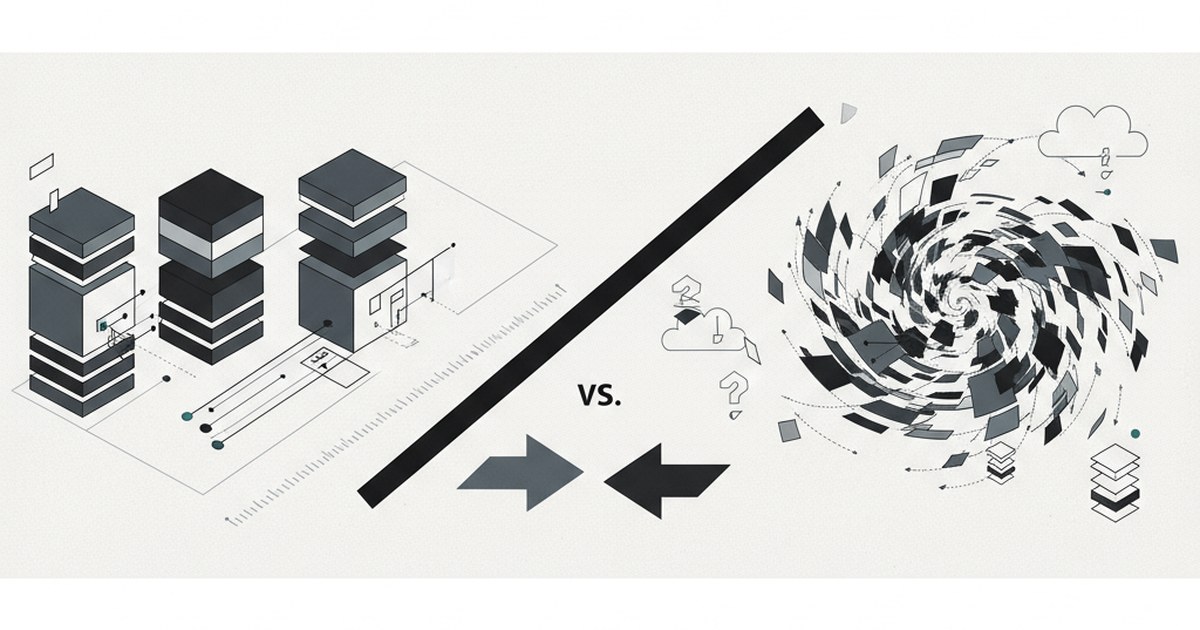
Catalog vs. Free-Text Buying: Where Each Wins
Choosing between catalog and free-text buying is a balance of control versus flexibility. While catalogs ensure compliance and consistency, free-text allows for the innovation and speed needed in a shifting market. We look at how procurement leaders can combine both strategies to build a more agile and efficient supply chain.
Read article →Evaluate the Fit
Whether you need to build the internal case or want to see how Purchaser handles your RFQ data, pick the path that fits.
Quantify the case for change
Our ROI calculator helps you quantify the time, cost, and risk savings so you can build a compelling case for procurement leadership with numbers, not just instinct.
See how Purchaser works for your sourcing environment
In a focused working session, we'll review how your team currently receives and evaluates vendor quotes, show how Purchaser converts unstructured quotes into structured, comparable data automatically, and identify next steps.
- Walkthrough of your current RFQ workflow
- How Purchaser normalizes and structures inconsistent vendor quotes
- Where scope deviations surface in the process