
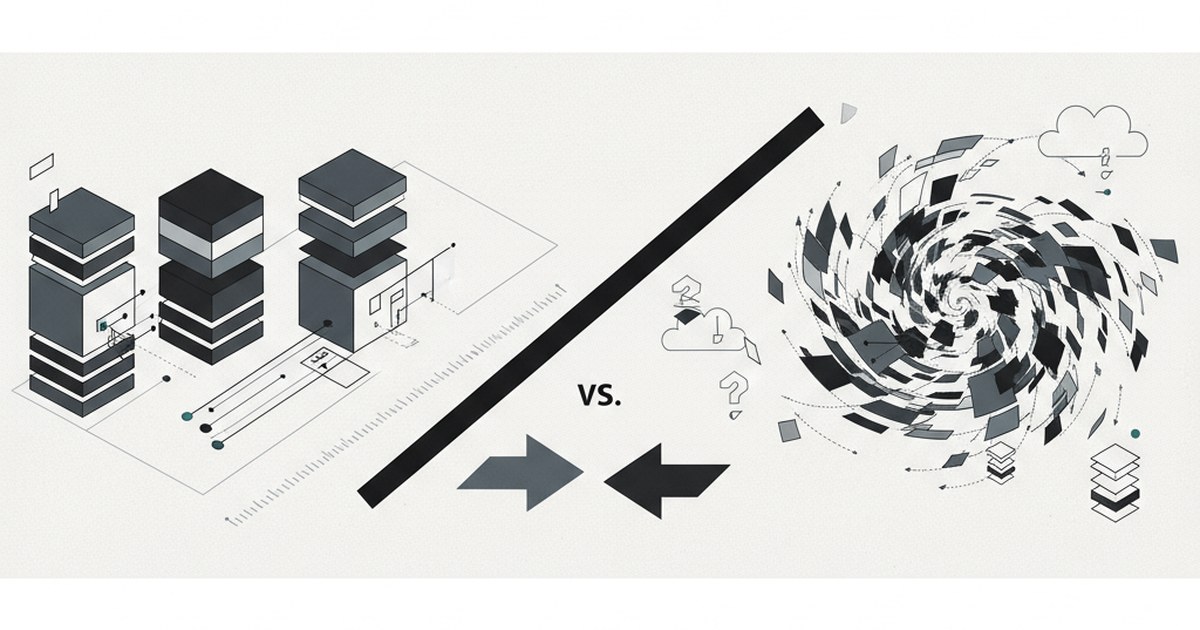
Catalog vs. Free-Text Buying: Where Each Wins
In the fast-paced world of procurement and supply chain management, decision-makers constantly balance efficiency and flexibility. The traditional method of catalog buying, where pre-approved suppliers and products are utilized, has long been seen as a reliable approach. However, the rise of free-text buying, where buyers can input any item into their purchasing system, is challenging that norm. As businesses strive for agility and innovation, understanding where each buying method shines is crucial for procurement, supply chain, and operations leaders.
Catalog Buying: The Case for Control and Consistency
Catalog buying represents a structured approach to procurement, where organizations rely on pre-negotiated agreements with specific suppliers and preset product lists. This method is often linked with increased control and consistency, significant advantages in regulated industries. One of the core benefits of catalog buying is its ability to streamline the purchasing process. Every item in the catalog has already been vetted, which minimizes the risk associated with purchasing from untested suppliers. For instance, an automotive manufacturer might have set the catalog to include only certified parts from trusted suppliers. This reduces the likelihood of production delays due to faulty components, ultimately ensuring customer satisfaction and brand reputation. Moreover, catalog buying can simplify compliance with company policies and industry standards. A healthcare organization operating with strict regulations can maintain consistency in purchasing medical supplies and equipment by utilizing a catalog of compliant vendors. Fewer discrepancies or unapproved purchases mean smoother audits and less risk of penalties.
The Flexibility of Free-Text Buying
While catalog buying has undeniable advantages, the flexibility that free-text buying offers can be invaluable, especially for businesses where innovation and rapid response to market dynamics are key drivers. Free-text buying allows buyers to source unique or specialized items that may not be present in a pre-defined catalog. Consider a technology startup devoted to cutting-edge research. Relying solely on catalog buying may hinder its quest for the latest components or materials necessary for prototyping. In this scenario, free-text buying becomes essential, enabling the operation to procure specialized items as needed. This adaptability can lead to faster development cycles and competitive advantages, as firms can leverage diverse materials and suppliers. Additionally, free-text buying helps organizations remain responsive to changing market conditions. If a new supplier emerges with innovative offerings, teams that are permitted to use free-text purchasing can quickly capitalize on these opportunities. For example, a global consumer goods company could efficiently respond to or even anticipate shifts in consumer preferences—something that rigid catalog purchasing may slow down.
Finding the Balance: Mixed-Mode Approaches
Understanding both catalog and free-text buying’s unique strengths and weaknesses can lead organizations to adopt a mixed-mode approach. By combining the two methodologies, procurement leaders can foster both control and flexibility. A retail chain can maintain a catalog of high-volume, standard items, such as staple products and consistent supplies, while simultaneously allowing teams the freedom to utilize free-text buying for seasonal or specialized products. This hybrid model can optimize spending by ensuring essential and frequently purchased goods are sourced efficiently while also enabling quick response to market shifts. There is also an opportunity for analytics here. Organizations can assess purchasing habits across both methods, enhancing decision-making and purchasing strategies. By analyzing the types and volumes of items bought via free text versus catalog, businesses can fine-tune their catalog offerings based on actual user behavior, ensuring it meets current demands and preferences.
Technology as an Enabler of Procurement Strategies
As procurement technologies evolve, decision-makers have more tools than ever to navigate the catalog versus free-text trade-off. Many leading companies now turn to procurement software equipped with advanced features that seamlessly integrate both buying approaches, enhancing efficiency and saving time. These platforms often include AI-driven insights that help procurement leaders understand which products are most commonly sought through free-text buying. These insights can guide catalog management—if certain items are continually requested, they can be added to the catalog, thus merging the adaptability of free-text buying with the structure of catalog management. This technological incorporation ensures that teams can remain agile without sacrificing the quality of their procurement processes. Furthermore, such systems can help track compliance, budget adherence, and supplier performance across both formats, allowing for a more holistic view of procurement metrics and outcomes.
Driving Measurable Business Outcomes
Ultimately, the decision between catalog and free-text buying comes down to business strategy and desired outcomes. Organizations that can effectively evaluate and implement both methodologies stand to gain significant advantages. By leveraging catalog buying where stability and compliance are necessary while harnessing the flexibility of free-text buying for innovation and adaptability, companies can position themselves to thrive in an increasingly competitive landscape. In quantifiable terms, the right mix can lead to optimized procurement processes, reduced overhead costs, and improved supplier relationships. Greater agility translates to faster time-to-market, allowing businesses to seize new opportunities swiftly, enhance customer satisfaction, and, ultimately, increase profitability. The journey towards smart procurement is not about choosing one method over the other but about recognizing the dynamic interplay between them. By fostering a culture that values flexibility while adhering to structured processes, procurement and supply chain leaders can drive greater efficiencies and achieve sustainable business success. In today’s marketplace, that adaptability may just be the key differentiator that leads to a competitive edge.