
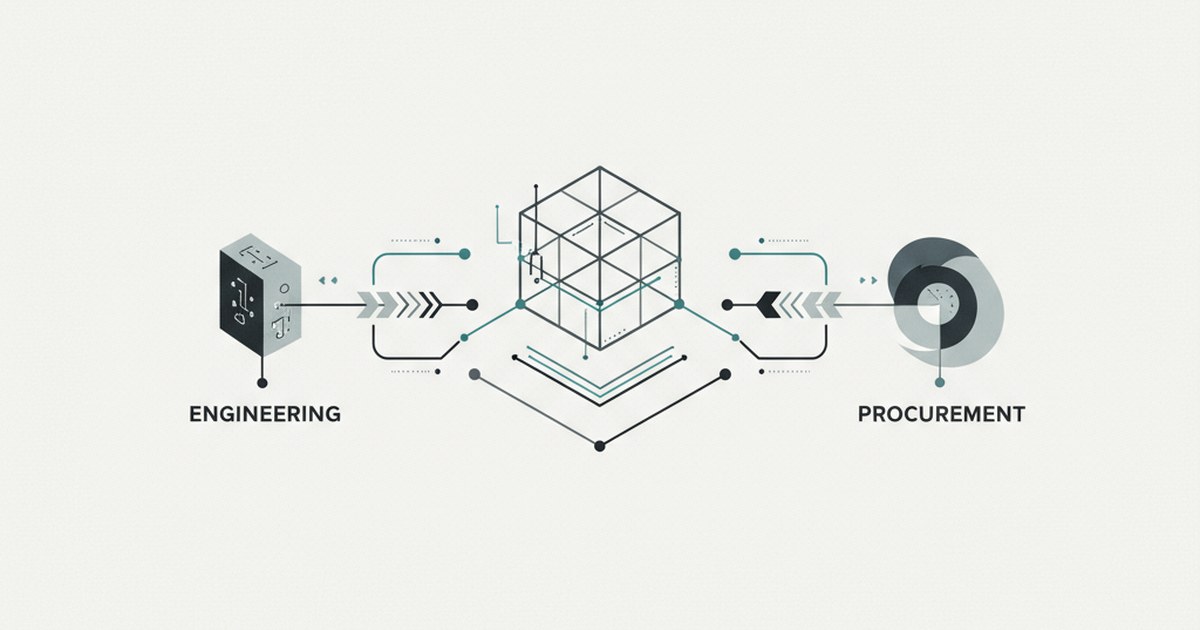
Engineering-Led RFQs and Procurement Misalignment
In today’s fast-paced business landscape, engineering and procurement teams are often caught in a delicate dance. When an engineering team designs a new product, their vision must align seamlessly with procurement strategies to ensure that the necessary materials and components are sourced effectively. However, many organizations experience a misalignment between engineering-led requests for quotations (RFQs) and procurement practices. This disconnect can lead to delays, inflated costs, and missed opportunities, hurting overall business performance. So, how can procurement and supply chain leaders bridge the gap and foster better collaboration?
Understanding the Roots of Misalignment
The friction between engineering and procurement often originates from differing priorities. Engineers focus on quality, innovation, and performance, while procurement teams prioritize cost efficiency, supplier reliability, and lead times. When an engineering team issues an RFQ without adequate context or understanding of procurement constraints, it can lead to frustration on both ends. For instance, an engineering team may draft specifications for a high-performance component without considering availability. The RFQ sails through, only for procurement to discover that the specified component is either prohibitively expensive or has long lead times. This scenario not only disrupts production schedules but also jeopardizes relationships with suppliers. Understanding these fundamental differences is the first step toward developing a more harmonious approach.
Fostering Collaboration Through Cross-Departmental Communication
To mitigate misalignment, proactive communication between engineering and procurement is essential. Regular meetings that encourage representatives from both teams to share insights can help bridge knowledge gaps and align goals. By fostering a culture of transparency and collaboration, teams can address specific challenges more effectively and lead initiatives, rather than react to issues as they arise. For example, suppose an engineering team is working on a new product line requiring unique materials. If they share their vision early with the procurement team, the procurement professionals can begin identifying potential suppliers and start negotiations, ensuring that the required components will be available when needed. This early-stage collaboration not only increases the chances of project success but can also enhance supplier relationships.
Leveraging Technology for Improved Data Transparency
Another approach to narrowing the gap between engineering and procurement is adopting technology solutions that enhance data transparency. Various tools in the market provide shared access to critical project data, enabling both teams to operate with the same information. Solutions like integrated platforms for materials requisition, supply chain management, and project management can be game-changers. For instance, cloud-based systems that include real-time updates on inventory levels, supplier performance, and RFQ statuses can significantly improve operational efficiency. When both teams have access to the same data, it allows for better forecasting and more effective strategic planning. This data-driven approach not only helps in managing costs but also ensures that the quality of components aligns with engineering specifications.
Incorporating Feedback Loops for Continuous Improvement
Engagement between engineering and procurement should not be a one-off exercise; it requires continuous interaction and feedback. Establishing mechanisms for mutual feedback will allow both teams to learn from each other’s experiences, insights, and challenges, creating a culture of continuous improvement. After each project or procurement cycle, teams can conduct a retrospective analysis to evaluate what went well and where misalignments occurred. For example, if a particular RFQ led to complications in sourcing, the teams can collaboratively review the specifications and work on a strategy that better communicates needs in future requests. By creating a closed loop of feedback, organizations can adapt their processes, learning from past experiences, which ultimately leads to smoother operations.
Aligning KPIs for Measurable Success
Aligning key performance indicators (KPIs) across engineering and procurement can further drive synergy. Often, teams are evaluated on metrics that don’t fully reflect their collaborative efforts, leading to a cycle of competition rather than cooperation. By jointly designing KPIs that measure success in areas such as total cost of ownership, time-to-market, or supplier delivery performance, organizations can reinforce shared objectives. For instance, a company may decide to evaluate success based on how quickly an engineering team can turn new product ideas into market-ready offerings while factoring in procurement’s ability to ensure material quality and cost efficiency. When both departments work toward shared goals, it creates accountability and a collective mindset that propels the company toward improved operational performance.
Conditioning for Future Success
As organizations navigate the complexities of product development and sourcing, it is vital for engineering and procurement teams to recognize the importance of alignment. Fostering collaboration, leveraging technology for data transparency, creating robust feedback loops, and aligning KPIs not only break down existing silos but also create a more cohesive and effective operational framework. By addressing the challenges of misalignment head-on, companies can enhance their overall efficiency, reduce costs, and accelerate time-to-market. This, in turn, translates to better customer satisfaction and a competitive edge in the marketplace. The takeaway is clear: when engineering-led RFQs are managed in a way that prioritizes alignment with procurement processes, businesses maximize opportunities for success. The clock is ticking, and organizations must act swiftly to enhance collaboration between these critical functions, moving from reactive responses to proactive, strategic partnerships. In doing so, they will find that not only do operational struggles diminish, but measurable business outcomes flourish.