
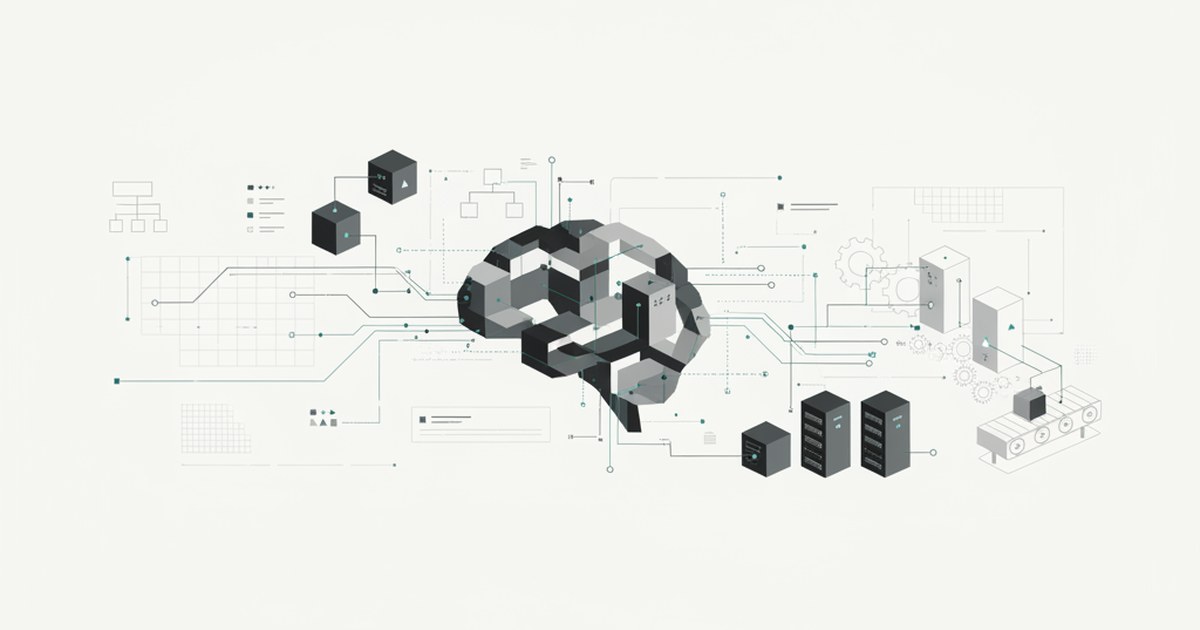
How AI Helps Procurement Anticipate Supply Constraints
In today’s fast-paced business landscape, procurement leaders face an uphill battle against unpredictable supply chain disruptions. From sudden spikes in demand to geopolitical tensions and natural disasters, the risks are ever-present and often beyond direct control. The challenge isn’t just about reacting to these disruptions; it’s about anticipating them before they escalate into larger problems. This is where artificial intelligence (AI) steps in, enabling procurement teams to navigate volatility with agility and foresight.
Understanding Supply Constraints through Advanced Analytics
AI leverages vast amounts of data to identify patterns and predict potential supply constraints. By analyzing historical data, market trends, and external factors, AI tools provide actionable insights that inform procurement strategies. For instance, let’s consider a food processing company that relies on various agricultural products. By incorporating AI-driven analytics, they can forecast seasonal variations and adapt their procurement schedules accordingly, ensuring that they have adequate stock during peak demand seasons and minimizing excess inventory during off-peak periods. Moreover, these AI systems can factor in a range of variables—from weather patterns affecting crop yields to political events influencing import regulations—creating a more nuanced and comprehensive understanding of supply constraints. This results in a level of preparedness that traditional methods can’t achieve.
Enhancing Supplier Relationships through Predictive Insights
Strong supplier relationships are critical for effective procurement. AI provides insights that can help procurement leaders engage more proactively with their suppliers. For example, a multinational electronics manufacturer faced disruptions when one of its key suppliers in Asia experienced unexpected downtime due to regulatory changes. By deploying an AI-based supplier risk management tool, the procurement team could identify potential weak links in their supply chain ahead of time. These predictive insights allowed the manufacturer to diversify its supplier base before the disruption occurred, mitigating risks while strengthening existing supplier relationships. Instead of suffering from miscommunications and short-term fixes during a crisis, the organization fostered a culture of collaboration and consequence-management that prepared both procurement and suppliers for future uncertainties.
Real-Time Monitoring and Adaptation for Quick Responses
While forecasting and proactive measures are important, the ability to monitor supply chains in real-time allows procurement leaders to adapt quickly to emerging challenges. AI technologies can continuously track supply chain performance using data streams from various sources, such as transportation metrics, inventory levels, and even social media sentiment regarding suppliers. Imagine a pharmaceutical company that needs to comply with strict regulations and maintain consistent product quality. An AI-powered monitoring system could alert procurement specialists to early signs of supply chain disruptions, significantly reducing the response time. This capability allows companies to pivot their procurement strategies rapidly, such as expediting shipments from alternative suppliers or re-routing deliveries, minimizing the impact of disruptions on production schedules.
Driving Cost Efficiency through Optimal Inventory Management
A key business outcome of effectively anticipating supply constraints is cost efficiency. By accurately forecasting disruptions and efficiently managing inventory levels, organizations can reduce the costs associated with overstocking or stockouts. AI helps identify the most cost-effective inventory management practices suitable for specific operational needs. For instance, a global retail chain can utilize AI to analyze purchasing patterns and forecast demand with remarkable accuracy. This enables the business to optimize its inventory purchase decisions—ordering just enough to meet demand while avoiding unnecessary carrying costs. Such cost management directly contributes to improved profit margins and resource allocation, as executives can better allocate budgets across departments, focusing their efforts on innovation and growth.
Engaging in Continuous Improvement through Learning Algorithms
One of the most powerful aspects of AI is its ability to improve over time through machine learning. As AI systems process more data, they become increasingly adept at making predictions and offering insights. Procurement leaders who embrace these technologies grapple with a learning curve, but the long-term benefits are undeniable. This form of continuous improvement can directly inform strategic planning. A construction firm that employs AI to assess the historical performance of suppliers can gain insights into not only their reliability but also factors that contributed to past delays. By feeding this data back into the AI system, it becomes better equipped to recommend the most reliable suppliers and anticipate potential issues related to underperformance.
Connecting AI-Driven Insights to Business Goals
The integration of AI technology into procurement processes creates a feedback loop of efficiency, resilience, and strategic engagement. By anticipating supply constraints and empowering procurement teams with data-driven insights, organizations can navigate uncertain waters with finesse. As a result, measurable business outcomes include reduced operational costs, improved supplier relationships, and enhanced profitability. According to a study from McKinsey & Company, companies that adopt AI in their supply chains can expect to lower supply chain costs by up to 20 percent while increasing revenue by 10 percent to 15 percent. These metrics illustrate the competitive advantage that can be gained by those who embrace AI technologies and utilize them to drive decision-making. The future of procurement is one that aligns not only with immediate operational needs but also with broader business objectives. The ability to anticipate and manage supply constraints will be crucial for procurement professionals looking to not just survive but thrive amid disruption. Whether it’s through predictive analytics, strengthening supplier relationships, or optimizing inventory management, procurement leaders must harness the full potential of AI to secure sustainable growth and operational excellence.