
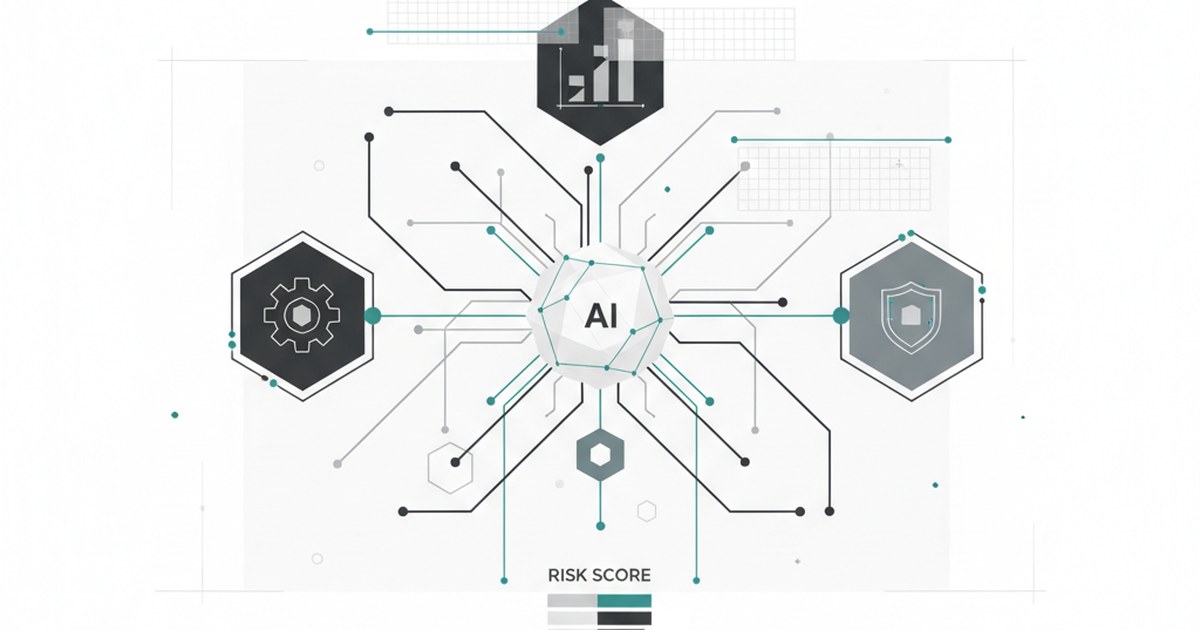
How AI Improves Vendor Risk Scoring in Capital Projects
In the fast-paced world of capital projects, where budgets and timelines often stretch thin, the pressure on procurement and operations teams is relentless. One misstep in vendor selection can lead to spiraling costs, project delays, and even reputational damage. For leaders entrenched in these challenges, the stakes couldn’t be higher. Fortunately, cutting-edge technology such as artificial intelligence (AI) is emerging as a game-changer, transforming how organizations assess vendor risk and ensuring that they select the right partners for their projects.
Understanding Vendor Risk in Capital Projects
Vendor risk encompasses a broad range of factors, from financial stability and compliance issues to operational capacity and past performance. For executives and operators, this risk is not merely theoretical; it can have immediate and tangible effects on project success. Traditional methods of assessing vendor risk often involve cumbersome questionnaires, manual data collection, and a reliance on historical data that may no longer be relevant. For example, during the bidding phase of a major infrastructure project, procurement professionals may spend weeks evaluating potential suppliers based on historical performance records and static financial metrics. These outdated methods can overlook critical emerging risks associated with geopolitical changes, market volatility, or even new regulations—elements that AI can dynamically integrate into risk assessments.
Harnessing AI for Real-Time Data Insights
One of the most significant advantages of AI in vendor risk scoring is its ability to harness large datasets and provide real-time insights. AI algorithms can analyze a vast array of information, from credit scores and financial statements to social media sentiment and news articles. This constant monitoring allows organizations to keep tabs on potential risks rather than being reactive after an issue arises. Take, for instance, a construction firm evaluating a subcontractor. By using AI-driven analytics, the firm can receive ongoing updates regarding the subcontractor’s financial health, reputation, and even performance on similar projects—information that would be challenging to gather manually. This enhanced oversight enables teams to pivot quickly if risks start to materialize, ensuring that decisions are data-driven and timely.
Automating Vendor Evaluation Processes
Manual vendor evaluations can be both time-consuming and prone to human error. AI helps automate these processes, significantly reducing the workload for procurement and operations teams. For instance, AI tools can score vendors based on customized algorithms that take into account both qualitative and quantitative data points. This not only streamlines evaluations but also increases accuracy by removing biases that may arise in manual assessments. A prominent energy company, faced with an influx of potential suppliers for a major project, integrated AI to enhance its vendor evaluation processes. The tool quickly processed applications, cross-referenced historical performance data, and highlighted potential red flags. As a result, the firm reduced evaluation time by nearly 50 percent, enabling them to make quicker, informed decisions.
Predictive Analytics for Proactive Risk Management
Another powerful application of AI in vendor risk scoring is predictive analytics. By analyzing past performance data along with external variables—such as economic trends or regulatory changes—AI can forecast potential vendor issues before they escalate into significant problems. This foresight allows procurement teams to engage with vendors proactively. For instance, a manufacturing company leveraging predictive analytics can identify patterns indicating a potential supply chain disruption, such as a subcontractor’s declining financial performance or negative customer feedback. Armed with this information, the company can develop contingency plans or even seek alternative suppliers well in advance, thereby minimizing project delays and cost increases.
Developing Customized Risk Profiles
AI’s adaptability also allows companies to create customized risk profiles tailored to the specific needs and context of individual capital projects. Different projects carry different risk tolerances and requirements, and AI can help organizations develop nuanced assessments that reflect these differences. For example, a tech firm might be developing an advanced data center that requires specialized expertise and stringent security compliance. Through AI, the procurement team can create a risk profile that focuses on specific criteria, such as cybersecurity measures, previous performance in similar high-tech environments, and compliance with industry regulations. Such tailored evaluations lead to more informed vendor selections, driving better outcomes for the project.
Delivering Measurable Business Outcomes
The integration of AI in vendor risk scoring does not merely streamline processes; it leads to meaningful business outcomes. By minimizing risks associated with vendor relationships, organizations can achieve significant cost savings, enhance project timelines, and protect their reputations. For instance, companies that have adopted AI-driven vendor risk assessments report lower costs associated with delays and compliance failures, alongside increased trust in their vendor relationships. The reduction in human error and the associated costs of labor in manual assessments also contribute to the bottom line. Moreover, ensuring that projects are supported by reliable vendors can enhance project efficiency and improve the quality of deliverables. As a heated competition for resources and talent persists in capital-intensive sectors, organizations leveraging AI for vendor risk scoring can position themselves above their competition, influencing both immediate project success and long-term growth. In an era where data is abundant but not always easily usable, AI stands out as a powerful ally for procurement, supply chain, and operations leaders. By embracing innovative technologies to enhance vendor risk scoring, organizations can not only safeguard their investments but also unlock new levels of efficiency and effectiveness. Finding the right partner today means building a foundation for success tomorrow, and AI plays an essential role in that mission.