
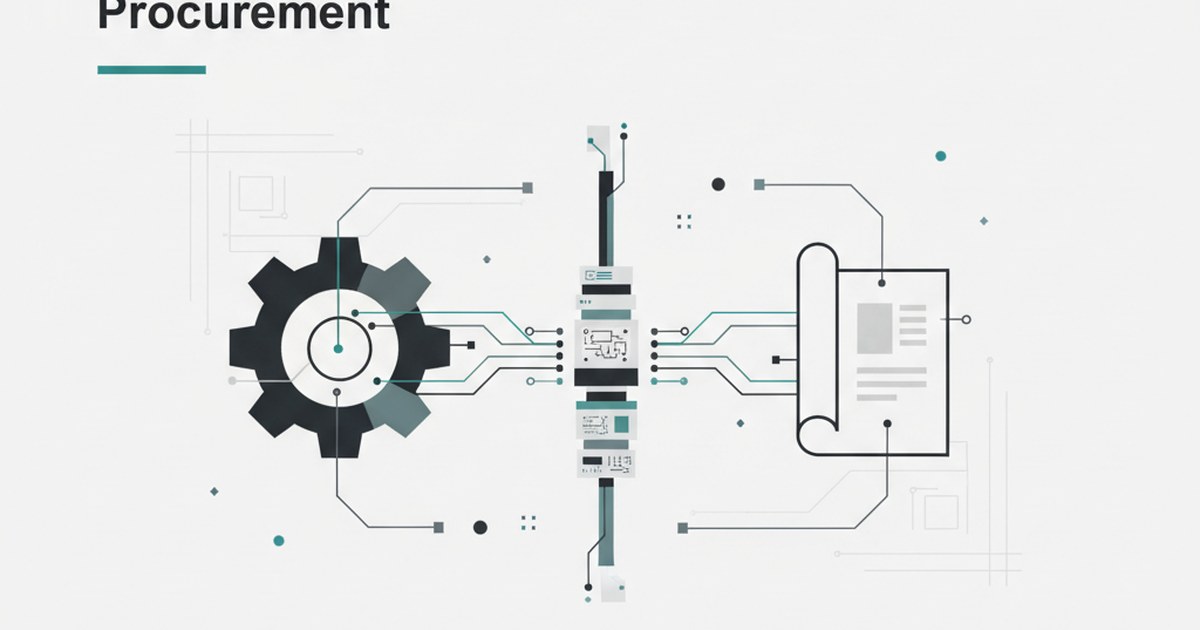
How Digital Intake Aligns Engineering and Procurement
In today’s fast-paced business environment, the synergy between engineering and procurement can often be elusive. Many organizations struggle with miscommunication, misalignment, and inefficiencies that arise during the early stages of a project. When neither team is fully aligned on needs and expectations, it can lead to costly delays, subpar materials, and, ultimately, lost revenue. Fortunately, the adoption of digital intake solutions is bridging these gaps, enabling better collaboration and streamlining workflows.
Understanding the Digital Intake Process
Digital intake is the process of gathering relevant information and data from stakeholders and transforming it into a structured format that various teams can access and act upon. In the context of engineering and procurement, this means creating a seamless method for the two departments to share their needs and expectations from the onset. For example, consider a manufacturing firm looking to launch a new product. Traditionally, engineering would develop specifications and requirements in isolation, then pass these on to procurement, which would begin sourcing suppliers based on potentially outdated or incomplete information. With digital intake, engineers can input real-time requirements directly into a shared platform, ensuring that procurement has immediate access to the most current data. This collaborative framework lays the foundation for enhanced communication, improved supplier selection, and reduced time-to-market.
Creating a Unified Data Hub
One of the most significant advantages of digitizing the intake process is the establishment of a unified data hub that serves both engineering and procurement teams. This hub acts as a single source of truth, ensuring that everyone is working from the same set of information. Using advanced data management tools, organizations can streamline the flow of information. For instance, a construction firm may utilize digital intake to collect project specifications, timelines, and budgetary constraints. This comprehensive data is then accessible to procurement specialists, who can analyze the information to negotiate better contracts with suppliers right from the project’s inception. The result is improved accuracy in ordering materials that meet exact specifications, minimizing the chances of costly overruns or delays due to unexpected material shortages.
Enhancing Communication and Collaboration
A critical element for successful outcomes in any project is communication between teams. Digital intake applications often offer collaborative features that enhance transparency and foster a culture of teamwork. For example, a technology company might implement a digital intake system that allows engineers to provide real-time feedback on submitted materials and components. Procurement teams can immediately see this feedback and engage in discussions to adjust orders accordingly. This real-time communication not only minimizes back-and-forth emails but also accelerates decision-making processes. As a result, procurement can swiftly pivot their strategies based on the engineers’ immediate insights, leading to faster sourcing of materials that meet project needs and specifications.
Utilizing Data Analytics for Smart Decision-Making
Another transformative effect of digital intake is powerful data analytics capabilities that can drive smart decision-making in both engineering and procurement processes. By collecting and analyzing vast amounts of data from past projects, organizations can uncover trends and insights that inform future actions. Consider a manufacturing company that uses digital intake to gather procurement data over multiple product launches. By evaluating historical purchase orders alongside engineering changes, the organization can identify specific materials that consistently perform better or highlight suppliers who are more reliable. These insights can guide procurement strategies, enabling teams to make informed choices that promote efficiency and cost-effectiveness. Through the lens of data analytics, organizations can not only optimize their current operations but also strategically plan for future projects with confidence.
Achieving Alignment Through Standardization
Standardizing processes through digital intake can align project objectives and output across all teams involved. By establishing clear templates and requirements for both engineering and procurement, organizations can create a common language and understanding that transcends departmental boundaries. For instance, an aerospace manufacturer might introduce standardized digital intake forms for materials based on safety, performance, and regulatory requirements. By ensuring that both engineering and procurement follow the same standards when collecting data on materials, the manufacturer can mitigate risks and enhance quality control. When both teams adhere to established criteria, everyone is on the same page, reducing discrepancies and conflicts at later stages.
Driving Measurable Outcomes in the Business
Integrating digital intake into the workflows of engineering and procurement is not just about improving processes: it’s about driving measurable business outcomes. Studies have shown that organizations that leverage digital tools can see significant reductions in project lead times and costs. For procurement leaders, the benefits are direct; electric companies can reduce the time spent on sourcing by up to 30% through better alignment with engineering needs. This efficiency often translates into cost savings that positively impact the bottom line. Furthermore, enhanced communication and data utilization foster innovation, allowing organizations to remain competitive in an evolving market landscape. Moreover, improved collaboration can lead to faster time-to-market for new products, enabling companies to seize opportunities that may arise from shifting consumer demands or technological advancements. As stakeholders see these results, buy-in for digital intake practices grows across the organization, laying the groundwork for continued improvement and long-term success. In summary, as engineering and procurement teams work more closely throughout the project lifecycle through digital intake, the barriers that once separated them begin to dissolve. The result is a more integrated, efficient, and innovative organization that is ready to meet the demands of today’s market head-on. By implementing digital intake processes, organizations can not only enhance operational workflows but also attain measurable business outcomes that drive growth and competitive advantage.