
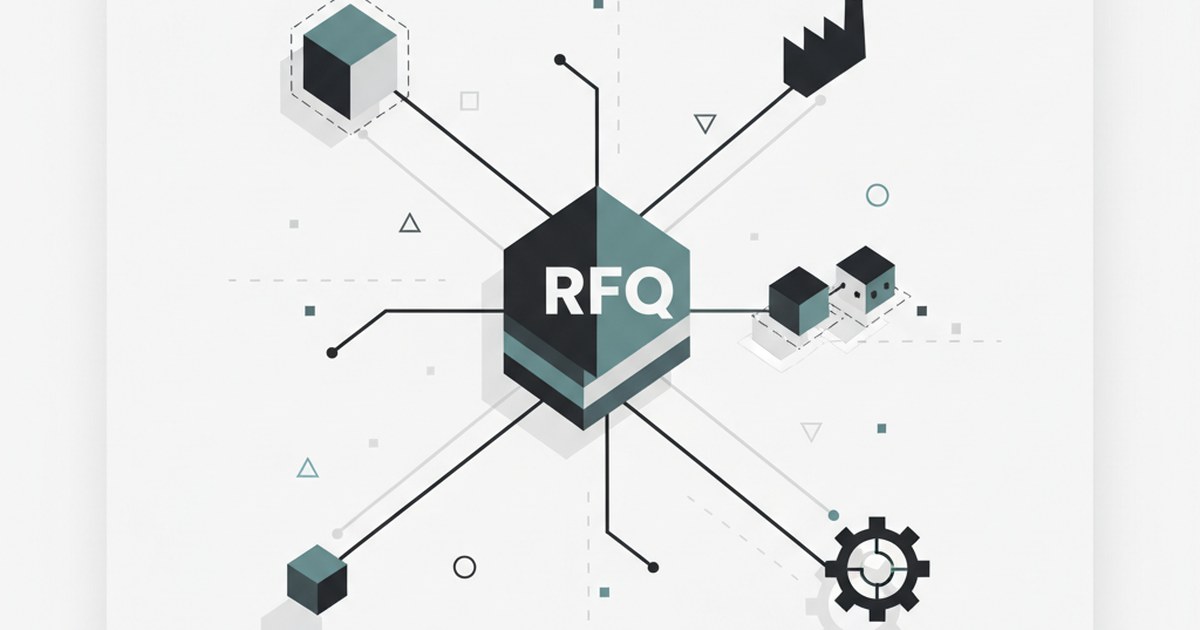
How Industrial Supply Chains Benefit From Structured RFQs
In today’s fast-paced industrial landscape, procurement leaders are constantly under pressure to optimize costs while enhancing supplier relationships. The need for efficiency and transparency in sourcing can often feel like navigating a maze. One common challenge? Inconsistent and poorly structured request for quotations (RFQs) that lead to confusion, inaccuracies, and ultimately inflated expenses. But what if there were a better way to streamline the procurement process and foster better relationships with suppliers? Enter structured RFQs — a powerful tool that can elevate supply chain performance.
The Importance of Structured RFQs in Procurement
Structured RFQs are comprehensive documents that standardize the information requested from suppliers. They help procurement professionals not only organize their requirements but also ensure that suppliers can respond in a way that makes comparisons straightforward. Let’s explore some key insights into how structured RFQs can benefit industrial supply chains.
1. Enhanced Clarity and Consistency
When procurement departments use structured RFQs, they establish a consistent template for all supplier communications. This uniformity eliminates ambiguity regarding expectations, product specifications, and pricing structures. By clearly outlining requirements, organizations can reduce the likelihood of misunderstandings. For instance, consider a manufacturer sourcing custom components. An unstructured RFQ may leave suppliers guessing about critical details such as materials, tolerances, and delivery timelines. In contrast, a structured RFQ provides specific criteria, enabling suppliers to respond accurately. This clarity not only accelerates the RFQ process but also fosters trust, as suppliers appreciate knowing they are evaluated on a level playing field.
2. Streamlined Comparison of Offers
With a consistent format, procurement teams can more effectively compare offers from multiple suppliers. A structured RFQ allows for apples-to-apples comparisons of costs, lead times, and compliance with specifications. Imagine a scenario where three suppliers submit quotes for the same machinery. If one supplier includes details on warranties and after-sales support, while another omits that information, decision-makers can find it hard to determine which offer is truly the best. By using a structured RFQ format, all suppliers would provide complete information, thus enabling informed comparisons that enhance decision-making.
3. Reduced Time in the Procurement Process
The procurement cycle can be lengthy, but structured RFQs can significantly reduce this time. When teams clearly define their needs upfront, they minimize the need for follow-up questions and clarifications. This allows procurement professionals to receive quotes faster and move forward with supplier selection without unnecessary delays. For example, an aerospace company looking for specialized parts can use a structured RFQ to outline the quantities, delivery dates, and any certification requirements upfront. Suppliers can then deliver quotes more quickly, saving days or even weeks in the sourcing timeline. Time saved translates directly into cost savings, allowing companies to allocate resources more effectively.
4. Strengthened Supplier Relationships
Using structured RFQs can enhance supplier relationships by signaling professionalism and respect for suppliers’ time and expertise. Suppliers appreciate when businesses approach them with a well-organized RFQ because it demonstrates seriousness and a commitment to collaboration. Take an electronics manufacturer, for instance, that routinely issues structured RFQs. Over time, suppliers become accustomed to the format, and this familiarity leads to faster responses and a more efficient workflow. As relationships deepen, suppliers may provide better pricing or faster delivery because of the established rapport and trust. Ultimately, fostering strong supplier partnerships can yield long-term benefits for both parties.
5. Improved Data Collection for Future Strategy
Another significant benefit of structured RFQs is the wealth of data they generate. By consistently using a standard format, procurement departments can collect and analyze valuable information to inform future purchasing decisions. Over time, this data helps organizations identify trends in pricing, supplier performance, and product availability. Consider a manufacturing company that tracks RFQ responses over several years. By analyzing this data, they could uncover patterns such as seasonal price fluctuations or reliable suppliers that consistently deliver quality products on time. Such insights empower procurement teams to negotiate better deals and develop strategic relationships based on historical performance.
Moving Towards Measurable Business Outcomes
Incorporating structured RFQs into the procurement process is not just a best practice; it can fundamentally impact an organization’s bottom line. When procurement teams reduce errors, streamline comparisons, and foster lasting supplier relationships, they pave the way for measurable improvements in efficiency, cost savings, and overall satisfaction. The productivity gains associated with structured RFQs can manifest in several ways: fewer disputes with suppliers, shorter lead times, and lower administrative costs. This streamlined approach allows procurement leaders to shift their focus from mundane tasks to strategic initiatives that drive growth and innovation within the organization. In adopting structured RFQs, procurement, supply chain, and operations leaders are not just optimizing their processes—they are laying the foundations for a robust and resilient supply chain. The potential cost savings, improved supplier relationships, and enhanced decision-making translate into tangible business outcomes that support long-term success. Embracing this structured approach may require an initial investment of time and resources, but the dividends it pays in efficiency and productivity make it a worthy endeavor for any organization looking to enhance its supply chain performance.