
How Utilities Manage Long-Lead Transformers
Navigating the complex world of energy transmission is increasingly challenging, especially when it comes to managing long-lead transformers. These critical components are essential for ensuring that electricity is delivered efficiently and reliably. However, their lengthy manufacturing and delivery times pose significant challenges for utility companies. When faced with unplanned outages or increased demand, the pressure to source and deploy these transformers quickly becomes a real-world problem that can impact service reliability and operational efficiency. The stakes are high, and understanding the tactics utilized by utilities can provide valuable insights for procurement, supply chain, and operations leaders.
Understanding Long-Lead Transformers
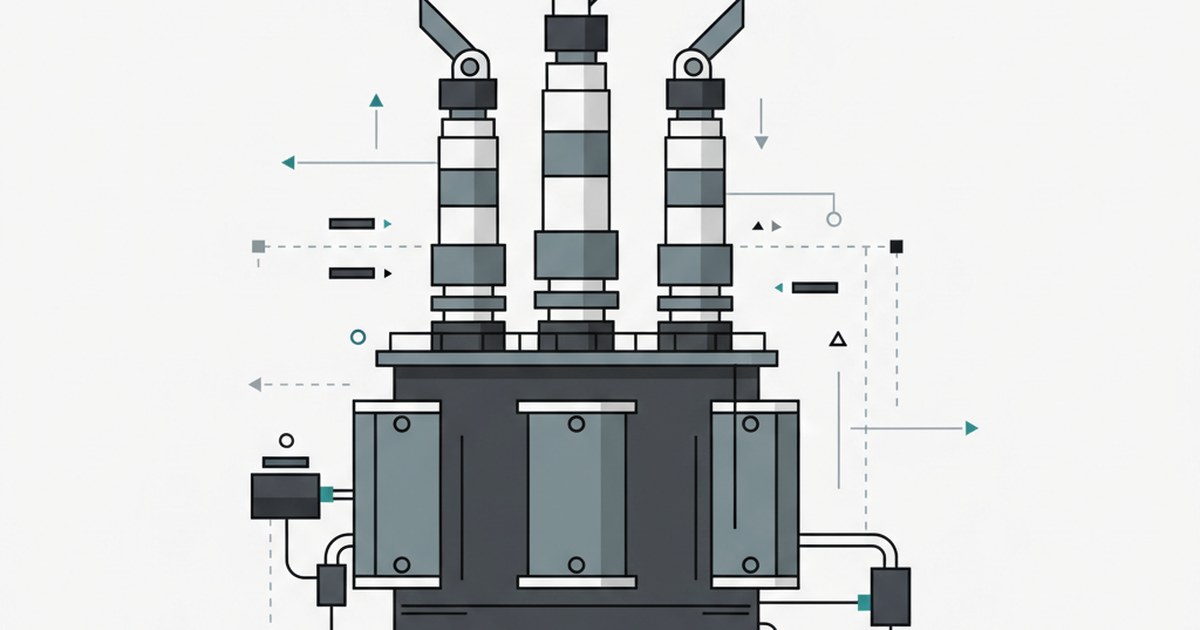
Long-lead transformers are pivotal in the electrical grid, serving to convert voltage levels and improve efficiency across the system. These transformers typically take six months to a year to manufacture and deliver, making timely planning crucial for utility operations. For utilities, forecasting demand is not merely a tactical exercise; it’s a necessary strategy that aligns resource allocation with operational needs. When unanticipated spikes in energy demand occur, or when existing transformers face mechanical failures, procurement and supply chain professionals need to react swiftly. Utilities often analyze historical data and market trends, enabling them to predict potential issues and prepare accordingly. For instance, using predictive analytics, they can assess seasonal consumption patterns and adjust their transformer inventory to mitigate last-minute sourcing headaches. In this context, the ability to anticipate requirements fuels more efficient transformer management.
Strategic Sourcing and Supplier Relationships
Building strong relationships with manufacturers and suppliers is vital for effective management of long-lead transformers. Traditional procurement strategies often focus solely on cost reduction, but a more comprehensive approach that considers the reliability and responsiveness of suppliers can yield substantial benefits. Leading utilities invest time in evaluating suppliers not just based on price but on their ability to deliver quality products in a timely manner. This often involves engaging in long-term contracts that secure supply while also providing room for flexibility. For example, a utility might lock in a price for several years with a preferred supplier while ensuring favorable terms that allow for scalability in response to demand spikes. Partnerships foster open communication and transparency, allowing utilities to better understand manufacturer capabilities and timelines. This approach has led to collaborative initiatives where utilities work alongside manufacturers to streamline production processes, thereby shortening lead times for the critical components.
Inventory Management Techniques
To manage long-lead transformers effectively, utilities are increasingly deploying sophisticated inventory management techniques. Balancing just-in-case and just-in-time inventory approaches can help mitigate the risks associated with transformer shortages. Utilities often establish buffer stock—an additional layer of inventory that acts as a safeguard against unexpected outages or demand surges. While maintaining excess stock can be costly, organizations have found that doing so serves as an insurance policy that ultimately enhances service reliability. In this modern age, many utilities are turning to hybrid inventory models fueled by technology. Utilizing advanced forecasting tools powered by artificial intelligence, utilities can significantly improve their stock management processes. These tools analyze real-time data on demand patterns, maintenance schedules, and equipment failures, enabling procurement teams to make informed decisions about inventory levels and restocking timelines.
Risk Management and Contingency Planning
Long-lead transformers are not just expensive capital investments; they represent a risk to operational continuity. As such, a proactive risk management strategy is crucial for utilities to minimize disruptions in service. Utilities increasingly adopt contingency plans that involve alternative sourcing options. For instance, they may identify secondary suppliers or explore refurbished transformers that can serve as temporary solutions in case of urgent needs. This diversification can reduce dependency on a single supplier and spread associated risks. Additionally, collaborating with engineering firms and consultants can help utilities develop comprehensive risk assessments that evaluate potential supply chain disruptions. By modeling various scenarios, professionals can understand the potential impacts of these disruptions and develop actionable plans to maintain service levels.
Leveraging Technology for Enhanced Performance
The digital transformation in the utility sector is reshaping the way organizations handle long-lead transformers. Embracing technology not only optimizes procurement processes but can drive significant efficiencies throughout the supply chain. Many utilities are utilizing supply chain management software that integrates with their existing systems, allowing for real-time tracking of inventory and maintenance cycles. Implementing Internet of Things (IoT) technology can facilitate smarter monitoring of transformers, providing predictive insights that preempt failures before they escalate. Moreover, using data analytics allows utilities to evaluate the performance of transformers over time and makes informed decisions about upgrades or replacements. A data-driven approach can empower procurement teams to negotiate more effectively and source the best transformers suited for their needs as they continuously analyze supplier performance and delivery timelines.
Shaping the Future of Utility Management
The management of long-lead transformers is more than a logistical challenge; it is a critical element of operational success that bears a significant impact on service delivery. By successfully navigating procurement, fostering strategic supplier relationships, and utilizing cutting-edge technology, utilities can create a resilient supply chain capable of responding swiftly to demand fluctuations. Ultimately, by enhancing transformer management approaches, organizations can unlock measurable business outcomes, including reduced downtime, increased reliability, and optimized costs. As the energy landscape evolves, utilities that invest in robust transformer management strategies will not only meet their current needs but will also position themselves for future growth and sustainability.