
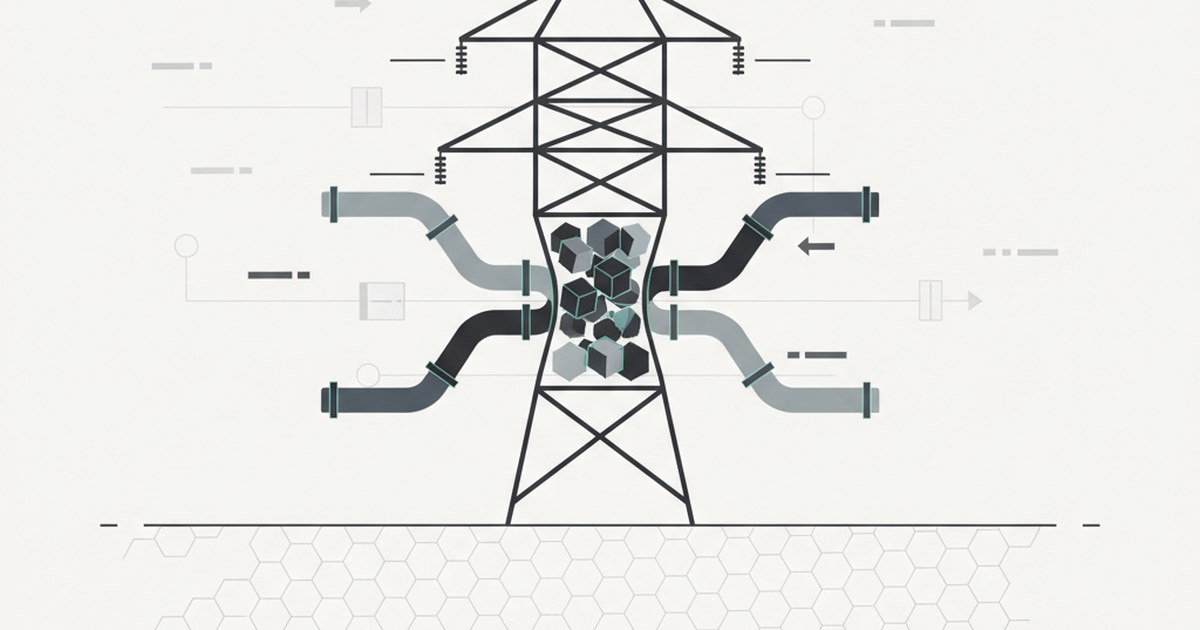
Procurement Bottlenecks in Substation Expansion Programs
The energy sector is witnessing unprecedented growth, driven by the urgent need for infrastructure development and modernization. As power demand rises and regulatory requirements evolve, utility companies are tasked with expanding their substations to enhance grid reliability and efficiency. However, behind the scenes, many of these projects face procurement bottlenecks that delay timelines and inflate costs. Understanding these challenges is crucial for procurement, supply chain, and operations leaders aiming to optimize their expansion initiatives.
Identifying the Root Causes of Procurement Delays
Procurement delays in substation expansion are often rooted in misalignments between project timelines and supplier capabilities. Many utility companies underestimate the time required to secure materials and services needed for construction, leading to rushed decisions that can compromise quality and increase costs. For example, when a substation project manager fails to account for lead times on critical transformers, they may settle for a more expensive option or a less reliable vendor, ultimately impacting the project’s bottom line. Communication gaps between procurement teams and engineering departments also contribute to these delays. When purchasing teams lack a clear understanding of technical specifications and project requirements, it can lead to purchasing the wrong equipment or materials. As a result, these missteps cause project holdups and necessitate costly rework. Establishing collaborative relationships and clear communication channels helps bridge the gap between these departments.
Supplier Relationship Management: The Key to Reducing Bottlenecks
Effective supplier relationship management is a powerful tool for overcoming procurement bottlenecks. When utility companies work closely with suppliers, they can gain insight into material availability, lead times, and potential issues. For instance, a regional utility that regularly engages with its suppliers might receive early warnings about anticipated shortages, allowing them to adjust procurement strategies proactively. A practical example of successful supplier collaboration can be seen in a large-scale expansion project for an electric utility in the Midwest. By involving key suppliers early in the planning process, the utility was able to negotiate favorable terms, secure essential components ahead of schedule, and streamline the procurement process. Formalizing these relationships through long-term contracts can also provide stability and encourage suppliers to prioritize your projects over others.
Leveraging Technology for Procurement Efficiency
In today’s digital era, technology has become increasingly significant in enhancing procurement efficiency and mitigating bottlenecks. Tools such as procurement management platforms and electronic tendering systems can automate many processes and improve overall procurement strategies. For example, implementing a centralized procurement platform can provide real-time tracking of orders, manage supplier performance, and facilitate easier collaboration among stakeholders. A case study can be drawn from a utility company that deployed an e-procurement tool to manage its substation expansion projects. By automating routine tasks and providing clear visibility into order statuses and supplier compliance, the organization experienced reduced lead times and improved operational efficiency. The result was a notable decrease in procurement-related delays, ultimately enabling them to complete their projects within budget and on schedule.
Continuous Improvement Through Data Analysis
The role of data in procurement cannot be overstated. By analyzing past procurement processes and outcomes, utility companies can identify patterns and areas for improvement. Regularly reviewing procurement metrics—such as supplier lead times, cost fluctuations, and project schedules—can help organizations make informed decisions that enhance their operations. For instance, a utility that regularly examines its procurement data may discover that specific suppliers consistently underperform in terms of delivery timing. Armed with this knowledge, the company can either work with these suppliers on corrective measures or consider alternative partners that align better with their goals. This proactive approach to data analysis fosters a culture of continuous improvement, ensuring that procurement processes evolve in tandem with changing project requirements.
Aligning Procurement Strategies with Organizational Goals
To successfully navigate procurement bottlenecks in substation expansion programs, leaders must ensure that procurement strategies align with broader organizational objectives. Understanding the nuances of project timelines, budget constraints, and regulatory demands will allow procurement teams to make more informed decisions. Collaboration among cross-functional teams—including engineering, finance, and project management—is crucial in achieving this alignment. Conducting regular strategy meetings can help ensure that all stakeholders are on the same page, ultimately resulting in a more cohesive approach to procurement. Moreover, by setting key performance indicators (KPIs) aligned with organizational goals, procurement leaders can create a clear roadmap for success.
The Path Forward: Driving Business Outcomes Through Effective Procurement
In conclusion, addressing procurement bottlenecks in substation expansion programs requires a multi-faceted approach that encompasses clear communication, strong supplier relationships, technology utilization, data-driven insights, and strategic alignment. By implementing these strategies, procurement, supply chain, and operations leaders can significantly reduce delays and costs associated with expansion projects. The measurable outcomes are not just timely project completions or budget adherence; they include enhanced reliability of electric supply, improved customer satisfaction, and a sustainable competitive edge in the ever-evolving energy landscape. By proactively identifying and addressing procurement bottlenecks, utility companies position themselves for success, ensuring they can meet the growing demands of their customers while advancing their operational capabilities.