
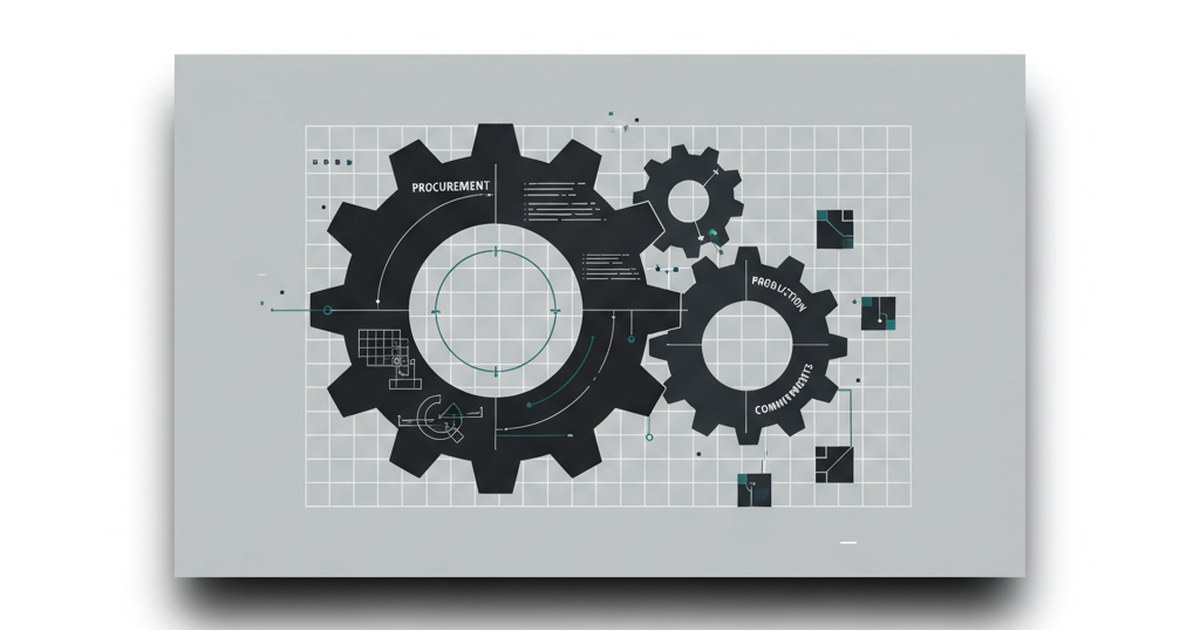
Procurement’s Role in Protecting Production Commitments
In today’s fast-paced business environment, the ability to fulfill production commitments often defines success. Companies face pressure from customers for timely deliveries and quality products, which makes maintaining the delicate balance between supply and demand critical. Yet, disruptions—from unforeseen global events to unexpected supply shortages—can derail even the most well-planned production schedules. For procurement leaders, navigating these turbulent waters requires strategic thinking and robust relationships with suppliers. The role of procurement has never been more pivotal in ensuring that production commitments are met, and in this article, we’ll explore how procurement can serve as a bulwark against challenges and uncertainties.
The Procurement Vision: More Than Just Cost Savings
Traditionally, procurement has often been viewed through the lens of cost reduction. While saving money is essential, modern procurement entails much more—it’s about adding value throughout the supply chain. To protect production commitments, procurement teams must adopt a holistic view of the supply landscape. Consider a manufacturing company that sources components from multiple suppliers. If one supplier faces production delays, the entire assembly line could grind to a halt. By maintaining a diverse supplier base, procurement professionals can mitigate risks associated with reliance on a single source. This approach allows organizations to pivot quickly as conditions change, ensuring that production schedules remain intact. Moreover, procurement leaders should invest time in understanding the suppliers’ operations and potential vulnerabilities. Building strong relationships leads not only to negotiation advantages but also to early warnings about potential disruptions. For example, if a supplier is facing delays due to raw material shortages, a procurement leader who has established rapport may hear about problems before they escalate, allowing for alternative plans to be considered.
Data-Driven Decision Making
In an era defined by data, procurement should leverage analytics to anticipate supply chain challenges and safeguard production commitments. Organizations that utilize advanced analytics can examine trends, forecast demand, and identify potential bottlenecks long before they affect operations. Imagine a scenario in which a food and beverage company analyzes historical procurement data alongside market trends. By using predictive analytics, the company may realize that ingredient prices are about to spike due to an impending drought. Armed with this insight, procurement can negotiate better pricing or secure longer-term contracts ahead of time, ultimately protecting production timelines. Through machine learning algorithms, procurement teams can also evaluate supplier performance in real time, identifying strengths and weaknesses. This proactive approach to supplier management not only ensures reliability but builds a stronger foundation for collaboration, which benefits overall production commitments.
Cross-Functional Collaboration
Another key to mitigating risks in production is collaboration between procurement and other departments—particularly operations and demand planning. Procurement leaders should champion cross-functional partnerships as a means to create transparency and understanding throughout the organization. Take, for instance, a technology manufacturer requiring precise component specifications to meet production deadlines. By working closely with the engineering and production teams, procurement can understand the complexities of the product requirements. This collaboration might lead to screening suppliers based not only on cost but also on their ability to meet strict compliance standards and production timelines. Additionally, regular communication between departments can lead to shared forecasts and better alignment. When demand spikes are anticipated, procurement can devise a timely sourcing strategy, reducing the risk of delays. Or, conversely, if a downturn is expected, procurement may negotiate with suppliers to allow for flexible contract terms, thereby avoiding excess inventory and unnecessary costs.
Supplier Relationship Management (SRM): Building a Resilient Network
An effective procurement strategy is underpinned by strong supplier relationships. Implementing a Supplier Relationship Management (SRM) initiative not only fosters collaboration but also cultivates loyalty and resilience against disruption. For example, a car manufacturer that engages in regular strategic meetings with key suppliers can identify mutual goals and address concerns proactively. By maintaining open channels of communication, both parties can work together to develop contingency plans. Should a natural disaster impact a supplier’s operations, the manufacturer will be better positioned to execute those plans and ensure continuity of production. Investing in strategic partnerships also enables procurement to access innovation. Suppliers often have insights into new technologies or processes that can enhance production efficiency. By leveraging these innovations, companies can boost output and maintain their commitment to timely delivery.
Embracing Technological Solutions
Lastly, the rise of technology in procurement is reshaping how organizations can protect production commitments. Advanced tools such as cloud-based sourcing platforms and automated procurement solutions can streamline processes and enhance supplier visibility. Consider the implementation of a real-time inventory management system. Through such a system, procurement can instantly access data regarding stock levels, supplier lead times, and alternative sourcing options. This information empowers procurement leaders to act quickly in the face of supply challenges and maintain production schedules. Moreover, technologies such as blockchain are coming into play, ensuring transparency and traceability within the supply chain. By utilizing these advancements, procurement can contribute to a more resilient supply network, ultimately safeguarding production commitments against disruptions.
Delivering Measurable Outcomes
As procurement evolves from a back-office function to a strategic partner in the business, its role in protecting production commitments is crucial for achieving measurable business outcomes. Organizations that prioritize strategic procurement practices see significant improvements in efficiency, risk management, and financial performance. By implementing data-driven decision-making, fostering collaboration, nurturing supplier relationships, and embracing technology, procurement teams can shield production operations from disruptions that threaten commitments. This not only enhances customer satisfaction but also drives profitability, positioning the company for long-term success in an unpredictable market. In conclusion, when procurement functions optimally, it forms the backbone of operational success, ensuring that production commitments are met despite the complexities of global supply chains. Through a concerted effort to innovate, collaborate, and strategically source, procurement can mitigate risks and unlock new avenues for business growth and resilience.