
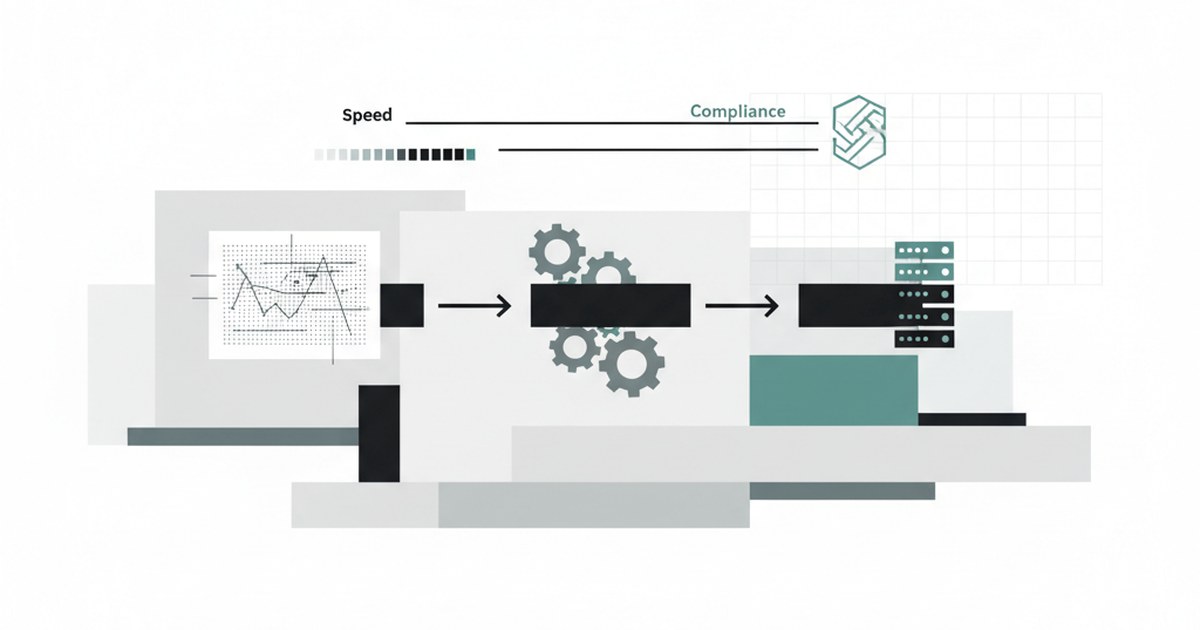
Simplifying the Contract Lifecycle for Speed and Compliance
In an increasingly fast-paced business environment, procurement and supply chain leaders face a common challenge: the convoluted contract lifecycle that can slow down operations and expose organizations to risks. Many companies still rely on outdated processes, resulting in bottlenecks that not only delay transactions but may also lead to compliance issues and missed opportunities. As the landscape evolves, it becomes imperative to streamline contract management to drive efficiency and uphold regulatory standards.
Understanding the Contract Lifecycle: A Pivotal Process
The contract lifecycle encompasses various stages, from initiation and negotiation to execution, compliance, and, ultimately, termination or renewal. Each phase requires careful attention and resource allocation. Yet, many organizations find themselves trapped in unnecessary complexity. According to a study by the International Association for Contract & Commercial Management, 35% of a contract’s total lifecycle can be spent on approvals alone, leading to delayed decisions and lost revenue potential. Recognizing the importance of each contract stage can facilitate effective management. Take, for instance, the initiation phase. In conventional processes, the drafting of agreements often involves back-and-forth negotiations that can take weeks or longer. However, using template-based frameworks can help streamline this stage significantly. By establishing a repository of predefined agreements that cover core scenarios, organizations can expedite the drafting process, allowing teams to focus on higher-value tasks rather than the minutiae of paperwork.
Leveraging Technology to Automate Routine Tasks
Investing in contract management software can greatly enhance efficiency and compliance. These systems not only standardize the contract creation process but also include features such as automation of routine tasks, digital signatures, and real-time monitoring of key milestones. For example, an analytics dashboard can be instrumental in tracking contract performance, enabling leaders to assess metrics like compliance rates and turnaround times. Consider a multinational manufacturing company that implemented a sophisticated contract management system. By automating the approval workflow, it minimized manual intervention, cutting approval time from weeks to mere days. This technology-driven approach reduced bottlenecks and enhanced transparency, which is crucial for compliance. In an environment where regulatory scrutiny is increasing, this capability helps mitigate risks and ensures that all parties adhere to essential guidelines.
Implementing Clear Governance Frameworks
Beyond technology, establishing a clear governance framework is vital for navigating the complexities of the contract lifecycle. This means defining roles, responsibilities, and procedures that all stakeholders can follow. By delineating these elements, organizations can avoid overlap and confusion, significantly reducing the risk of miscommunication. For instance, a logistics firm might create a centralized team responsible for managing supplier contracts. This team would be tasked with overseeing negotiations, monitoring compliance, and ensuring proper execution, all while maintaining continuous communication with relevant departments like legal and finance. This structure not only embeds accountability but also allows for a streamlined approach to updates and modifications. Instead of disparate teams working in silos, an integrated approach provides a holistic view, enhancing cooperative efforts across functions.
Fostering a Culture of Continuous Improvement
In addition to technology and governance, fostering a culture of continuous improvement can elevate contract management practices. By regularly reviewing the efficacy of existing processes, companies can identify pain points and develop solutions proactively. This might involve soliciting feedback from teams engaged in procurement or operations to uncover issues related to contract performance or compliance. For example, a consumer goods company could host quarterly workshops to assess contract management strategies, inviting input from a variety of levels within the organization. By illuminating pain points and celebrating successes collaboratively, organizations can not only enhance existing workflows but also elevate morale and engagement among employees. This inclusive approach promotes buy-in, fostering a shared responsibility toward optimizing the contract lifecycle.
Harnessing Data for Better Decision-Making
Finally, embracing a data-driven approach can yield significant dividends in contract lifecycle management. Organizations should look to collect and analyze data from contracts to glean insights that aid decision-making. Identifying patterns regarding supplier performance, compliance issues, and recurring negotiation bottlenecks can provide a roadmap for future strategies. A retail business, for example, might analyze historical contract data to determine which suppliers consistently meet delivery timelines and quality standards. This knowledge enables procurement teams to negotiate more effectively and prioritize relationships that offer the greatest strategic advantage. Using data analytics not only informs negotiation strategies but also serves as a preventive measure against potential compliance violations, giving organizations more confidence in their contractual relationships. By simplifying the contract lifecycle through these strategies, organizations can achieve measurable business outcomes. Shortening the time to contract execution enhances agility, allowing businesses to respond quickly to market changes. Improved compliance mitigates risks associated with regulatory pressures and contractual disputes, ultimately leading to a more stable operational environment. Eliminating inefficiencies in contract management may seem like a daunting task, but the benefits are clear. Organizations willing to embrace technology, establish clear frameworks, foster a culture of improvement, and rely on data for decision-making are poised to transform their contract management practices. This transformation ultimately leads to enhanced efficiency, reduced risk, and the agility needed to thrive in today’s competitive landscape. In a world where speed and compliance go hand in hand, simplifying the contract lifecycle is not just a best practice—it is essential for sustained business success.