When to Build and When to Buy: Integration Strategies That Work
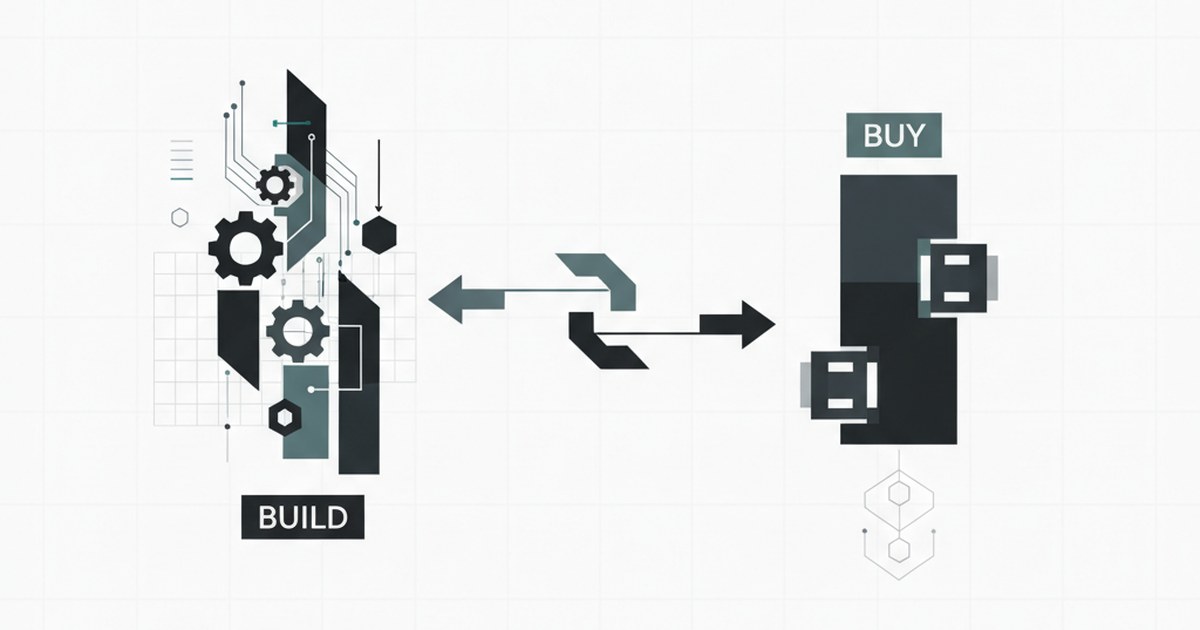
In the fast-paced world of procurement, supply chain, and operations, the pressure to make the right decisions regarding technology and integration strategies is ever-present. Organizations face constant dilemmas: Should they build custom solutions in-house, or is it more prudent to purchase ready-made systems? This conundrum is not just about technology; it affects overall operational efficiency, cost management, and even competitive positioning. In this blog post, we’ll explore smart integration strategies that can help procurement and supply chain leaders decide when to build and when to buy.
Understanding the Core Needs of Your Business
Before delving into the specifics of build versus buy, it’s essential to understand the unique requirements of your business. Conducting a needs assessment can clarify what you truly require from a system. This analysis should encompass current workflows, stakeholder pain points, and future scalability. For example, consider a mid-sized manufacturing company looking to streamline its supply chain. Through careful evaluation, they may find that their existing processes rely heavily on manual input, resulting in inefficiency and errors. They face a choice: a custom-built enterprise resource planning (ERP) system that addresses their precise needs, or a well-regarded off-the-shelf solution that requires some customization but is quicker to implement. The key question is: what aligns best with their operational goals and long-term strategy? A thorough needs assessment will set the stage for making an informed decision that meets both present demands and future aspirations.
Evaluating Internal Capabilities
Another critical factor in the build versus buy debate is an organization’s internal capabilities. Do you have the technical expertise, resources, and team readiness to build and maintain a custom solution? Alternatively, can you afford the licensing fee and ongoing costs of an external vendor? For instance, take a global retail chain that needs a robust supply chain management system. Their internal IT team may already be stretched thin with ongoing projects and maintenance tasks. In this situation, the opportunity cost of building a system may outweigh the benefits. Rather than facing the daunting challenge of developing a solution in-house, they could benefit from leveraging a specialized vendor with a proven track record. That approach allows them to focus on their core competencies while enjoying the advantages of enhanced system functionality. On the flip side, a startup that prides itself on its agile development capabilities might opt to build a tailored inventory management solution. In this situation, the internal technical skills and innovative mindset would make creating a custom solution viable and potentially more aligned with their business model.
The Cost-Benefit Analysis
Once you’ve assessed needs and internal capabilities, it’s time to conduct a thorough cost-benefit analysis. This analysis should consider not only the immediate costs associated with building or buying but also the long-term implications on operational efficiency, training, and maintenance. For example, a logistics firm might be faced with two options: purchasing a commercial shipping solution or developing its own. Initially, building a custom solution might seem cheaper. However, investigating the total cost of ownership reveals hidden expenses related to future updates, system integrations, and ongoing maintenance. Conversely, the cost of purchasing a ready-made solution comes with direct expenses but includes vendor support and regular updates, enabling the organization to stay competitive. This analysis can uncover hidden costs and opportunities for better resource allocation, guiding leaders to choose the path that delivers the most value.
The Role of Flexibility and Scalability
In a rapidly changing landscape, flexibility and scalability are paramount. When assessing whether to build or buy, consider how the solution can evolve alongside your business. The pace of change in technology often means that a built system could quickly become outdated or ineffective, requiring additional development time and resources down the line. A technology firm facing rapid growth might choose to buy a flexible cloud-based platform that can scale easily with their business needs. This option offers immediate benefits, such as quicker implementation and better support, while allowing the firm to modify or expand functionalities as required. Conversely, if a company invests heavily in building a rigid system tailored only to their present requirements, they might find themselves constrained when the market shifts. The potential for future growth and adaptation must be a key consideration in deciding whether to build or buy.
Vendor Relationships and Integration Challenges
When opting to buy, establishing a strong relationship with your vendor is essential. The benefits of a good partnership can influence outcomes significantly. A successful collaboration can lead to successful implementation, reliable support, and opportunities for additional enhancements down the line. An example of this is seen in a pharmaceutical company that decided to purchase a specialized inventory management system after an extensive evaluation. By fostering strong communication with the vendor, they ensured that the system not only integrated smoothly with existing software but also met compliance and regulatory requirements in the industry. On the other hand, integrating multiple purchased systems can often lead to challenges. Organizations must be vigilant and ensure they have a comprehensive integration strategy that allows disparate systems to work together seamlessly. This is where project management and clear communication become vital to ensure that all parts of the organization can leverage the technology effectively.
Driving Measurable Business Outcomes
In sum, making the choice between building and buying technology can significantly impact an organization’s overall performance. The decision should never be based on instinct alone but rather on careful consideration of your organization’s specific needs, capabilities, financial implications, future growth potential, and vendor dynamics. Integrating technology effectively can provide improved efficiency, reduced costs, and enhanced competitiveness. Leaders in procurement, supply chain, and operations should not shy away from exploring both strategies, taking a pragmatic approach to their decision-making. Whether you decide to build or buy, the responsibility ultimately lies with you to ensure that the chosen path aligns with the long-term goals of your organization, driving measurable business outcomes that benefit all stakeholders involved.