
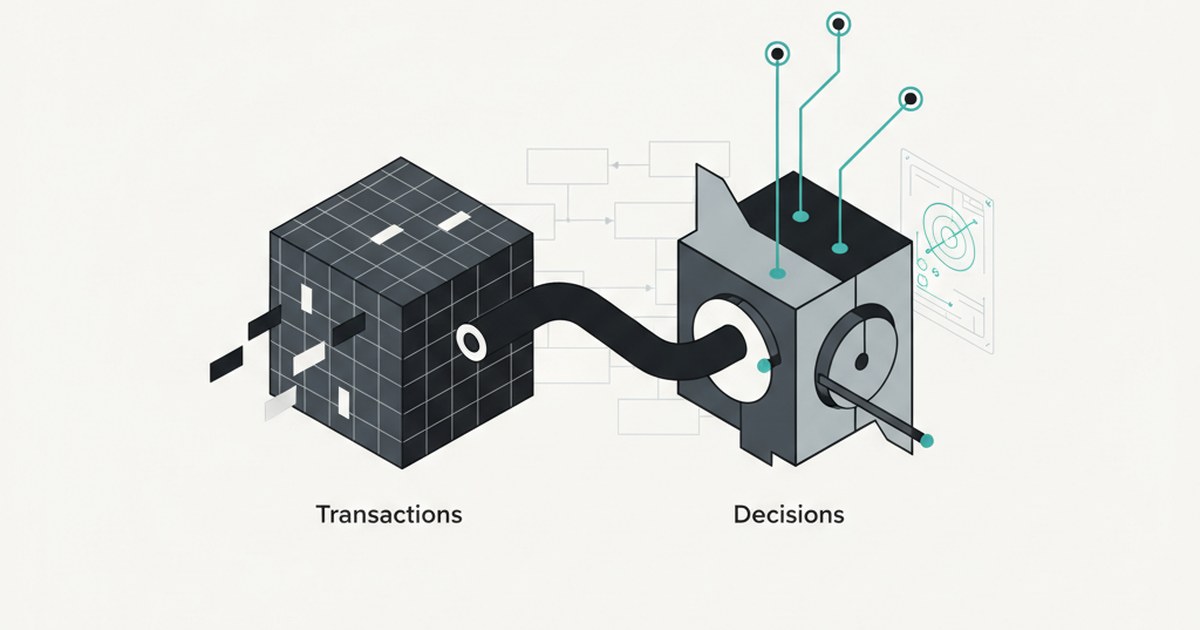
Why Procurement Must Shift From Transactions to Decisions
In today’s fast-paced business environment, procurement leaders are under more pressure than ever to drive value while managing costs. However, many still approach procurement as a series of transactional tasks—from issuing purchase orders to negotiating contract terms. This transactional mindset limits the potential for strategic impact, leading to missed opportunities for innovation, supplier collaboration, and overall business agility. It’s time for procurement to evolve from a transaction-based function to a decision-oriented discipline that drives better outcomes at every level of the organization.
The Limitations of a Transactional Mindset
Focusing solely on transactions can result in a narrow view of procurement’s role within the organization. When procurement teams prioritize getting the lowest price on individual items or services, they may overlook factors that could lead to better decisions in the long run. For example, dismissing a slightly more expensive supplier in favor of an intermediary saves money upfront but may neglect the potential for long-term value through innovation or risk reduction. Consider a manufacturing company that relies solely on cost when selecting a supplier. This company might engage in lengthy negotiations that save a few dollars on components, yet fail to appreciate that a more innovative supplier could enhance production efficiency or lead to improved product quality. By failing to evaluate the bigger picture, the organization risks stagnation and may fall behind in a competitive market.
Embracing Strategic Supplier Relationships
A shift to a decision-based mindset requires procurement leaders to cultivate strategic relationships with suppliers rather than viewing them merely as vendors. When procurement teams collaborate closely with suppliers, they can unlock mutual benefits. Such partnerships foster an environment of shared goals, enabling innovation and responsiveness to market changes. For instance, a global tech company redefined its procurement approach by initiating joint innovation sessions with key suppliers. Instead of negotiating prices solely on existing products, these sessions facilitated discussion around product development, shared marketing efforts, and logistics optimization. As a result, the tech company not only enhanced its product offerings but also strengthened its supply chain resilience. By elevating supplier relationships beyond transactions, procurement can support broader business objectives, drive agile responses to market conditions, and create a competitive advantage that purely transactional interactions simply cannot realize.
Leveraging Data for Informed Decision-Making
Data plays a crucial role in enabling procurement to transition from a transactional approach to decision-making. With the advent of advanced analytics and digital tools, procurement leaders now have access to vast amounts of data that can inform better resource allocation, risk assessment, and supplier performance evaluation. For example, a retail chain that transitioned to a data-driven procurement model began to analyze not just spend data but also supplier performance metrics and market trends. By harnessing predictive analytics, the company was able to anticipate price increases, identify alternative suppliers, and optimize inventory levels. This proactive decision-making resulted in significant cost savings and increased agility across their supply chain. Incorporating data into the decision-making process allows procurement teams to prioritize initiatives that contribute to the organization’s strategic goals, ensuring that every procurement activity is aligned with overall business objectives.
Fostering Cross-Functional Collaboration
One of the significant limitations of a transactional procurement mindset is its siloed nature. Procurement often operates separately from other departments, which can lead to misalignment and inefficiency. By shifting to a decision-making approach, procurement can better collaborate with other functions like finance, marketing, and operations. Imagine a situation in which procurement engages with finance early in the budgeting process. By evaluating spend data together, both departments can establish more accurate forecasts and align strategies. Similarly, collaboration with marketing teams can yield insights into upcoming product launches, allowing procurement to source materials that meet rising demand. A compelling example comes from a leading food and beverage company that established cross-functional teams to integrate procurement into product development processes. This collaboration not only streamlined supplier selection but also accelerated time-to-market for new products. By aligning decisions across departments, procurement becomes a pivotal player in driving broader business success rather than simply a cost center.
Cultivating a Culture of Continuous Improvement
To ingratiate a decision-making approach into procurement, organizations should foster a culture of continuous improvement. This involves developing processes that encourage reflection, learning, and adaptation. Procurement teams must continuously evaluate decisions, reassess supplier performance, and adapt strategies based on market dynamics. An example of this comes from a multinational automotive company that implemented regular post-mortem analyses on procurement decisions. By analyzing outcomes and complexities from past procurement initiatives, they were able to identify gaps and improve future decision-making processes. This practice not only enhanced decision quality but also empowered procurement to navigate challenges collaboratively with all stakeholders involved. Investing in continuous improvement ultimately enables procurement to remain agile and responsive, ensuring that decisions are data-driven and aligned with evolving business needs.
Driving Measurable Business Outcomes
As organizations grapple with increasing complexities and growing competition, shifting procurement from a transactional to a decision-making focus is imperative. Procurement’s transformation will translate into improved supplier collaboration, strategic alignment, informed decision-making, and enhanced cross-functional cooperation. When procurement becomes a strategic partner within the organization, the entire business stands to benefit. Companies that embrace this transition can capitalize on opportunities for innovation, achieve cost efficiencies that go beyond immediate savings, and adapt quickly to market changes. The end goal is not merely about securing the best prices or negotiating contracts—but rather empowering procurement to drive measurable value that impacts the bottom line. By prioritizing decisions over transactions, procurement leaders will play an essential role in crafting a resilient, responsive, and forward-thinking organization. As such, the evolution of procurement is not just a matter of functional improvement; it is a catalyst for fundamental business growth and sustainability.