
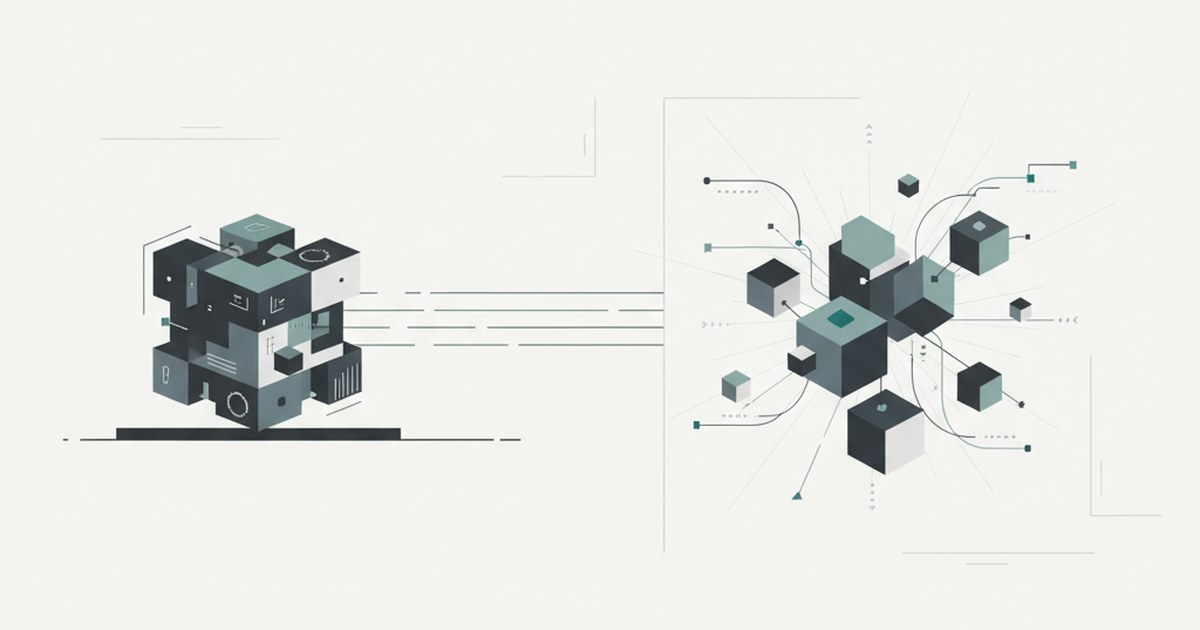
Why Procurement Needs Scenario Planning, Not Static Forecasts
In an increasingly volatile market, the traditional approach to procurement often feels insufficient. Many organizations still rely on static forecasts—linear projections based on historical data that rarely account for the unpredictable nature of global supply chains. External factors such as political unrest, natural disasters, or sudden demand spikes can quickly render these forecasts obsolete, leaving procurement teams scrambling. In today’s world, preparing for uncertainty through scenario planning is not just beneficial; it’s essential.
Understanding Scenario Planning
At its core, scenario planning involves envisioning multiple potential futures based on varying assumptions about key variables. This technique encourages procurement and supply chain leaders to think outside the confines of linear forecasting, allowing them to consider a range of possibilities. Instead of relying on past purchasing volumes to project future needs, teams can develop scenarios that incorporate potential shifts in market dynamics, customer demands, and supplier capabilities. For instance, imagine a company that historically uses linear forecasting to determine its procurement strategy for raw materials. If a sudden geopolitical issue arises in a primary supplier’s region, previously set plans may quickly become unviable. However, with scenario planning, the company would have already anticipated this risk and developed alternative sourcing strategies, allowing it to adapt swiftly.
Adopting a Holistic Approach to Risk Assessment
Static forecasts often fail to consider the interconnectedness of various factors affecting procurement. A holistic risk assessment involves looking beyond individual data points to understand how they interact. For example, rising transportation costs due to fuel price fluctuations can impact supplier pricing and, ultimately, customer demand. Procurement leaders can leverage scenario planning to explore these interdependencies. By creating scenarios that integrate various risk factors—like financial volatility, environmental challenges, or regulatory changes—teams can better prepare for diverse outcomes. Consider a manufacturing firm facing potential trade tariffs. Through scenario planning, the team could model outcomes under different tariff levels, helping them decide whether to increase inventory, seek alternative suppliers, or adjust product pricing in advance.
Building Flexibility into Supplier Relationships
A common pitfall of static forecasting is its tendency to enforce rigid supplier contracts or policies. When procurement teams don’t account for potential shifts in demand or supply chain disruptions, they may inadvertently lock themselves into relationships that become detrimental as circumstances change. In contrast, scenario planning acknowledges that supplier dynamics may need to evolve. By fostering a dialogue with suppliers about potential scenarios, procurement teams can create flexible agreements that allow for adjustments based on real-time developments. For example, a company could establish a framework that allows for variable pricing based on market conditions, enabling them to respond swiftly to changes and secure a competitive edge.
Enhancing Collaboration Across Functions
Procurement does not operate in a vacuum. Its actions affect—and are affected by—marketing, sales, and operations. Static forecasts often sidestep this interconnectedness, leading to misalignment between departments. Scenario planning encourages collaboration across business functions. By engaging stakeholders from different areas, procurement leaders can craft more comprehensive scenarios. For instance, marketing might have insights about upcoming product launches that influence raw material needs. Involving sales can shed light on shifting customer preferences that may require adjustments in procurement. An integrated approach to scenario planning facilitates better communication about potential risks and demands. When teams align their strategies, they can collectively respond to uncertainty with agility, enhancing overall business resilience.
Implementing Scenario Planning in Your Procurement Strategy
Shifting from static forecasting to scenario planning may appear daunting, but it doesn’t have to be. Here are actionable steps to kickstart this transition: 1.
Identify Key Drivers
: Begin by mapping out the primary factors that could impact your supply chain. This might include economic indicators, geopolitical conditions, technological advancements, or demographic changes. 2.
Develop Scenarios
: Work with cross-functional teams to create several plausible scenarios. Focus on varying levels of impact and likelihood to ensure a well-rounded understanding of potential outcomes. 3.
Assess Implications
: For each scenario, analyze how it would affect procurement strategies. This can include examining pricing, supplier relationships, inventory levels, and customer service impacts. 4.
Create an Action Plan
: Based on the insights gleaned from your scenario analysis, develop a tactical plan that outlines specific steps to mitigate risks. This should include contingency plans for the most critical scenarios. 5.
Continuously Monitor and Adapt
: Scenario planning isn’t a one-time exercise. Regularly revisit your scenarios and adjust based on new information or emerging trends.
The Business Value of Embracing Uncertainty
Ultimately, the transition from static forecasting to scenario planning boils down to a pragmatic understanding of the business landscape. By preparing for uncertainty, procurement leaders can foster resilience, enhance collaboration, and improve decision-making processes across the organization. In a world where agility is paramount, procurement can no longer afford to rely solely on past data. Scenario planning not only equips teams to navigate the unknown but also drives measurable business outcomes—reducing costs, mitigating risks, and improving service levels. Far from being a theoretical exercise, this approach has tangible benefits that can enhance an organization’s competitive position in the market. As business leaders embrace the reality of an unpredictable environment, incorporating scenario planning into procurement strategy becomes not just an operational necessity but a strategic advantage. In this increasingly complex world, the ability to anticipate change is the key to thriving, not just surviving.