
Insights on Procurement Intelligence
Perspectives on procurement complexity, bid evaluation, and the tools that actually move the needle for capital-intensive industries.
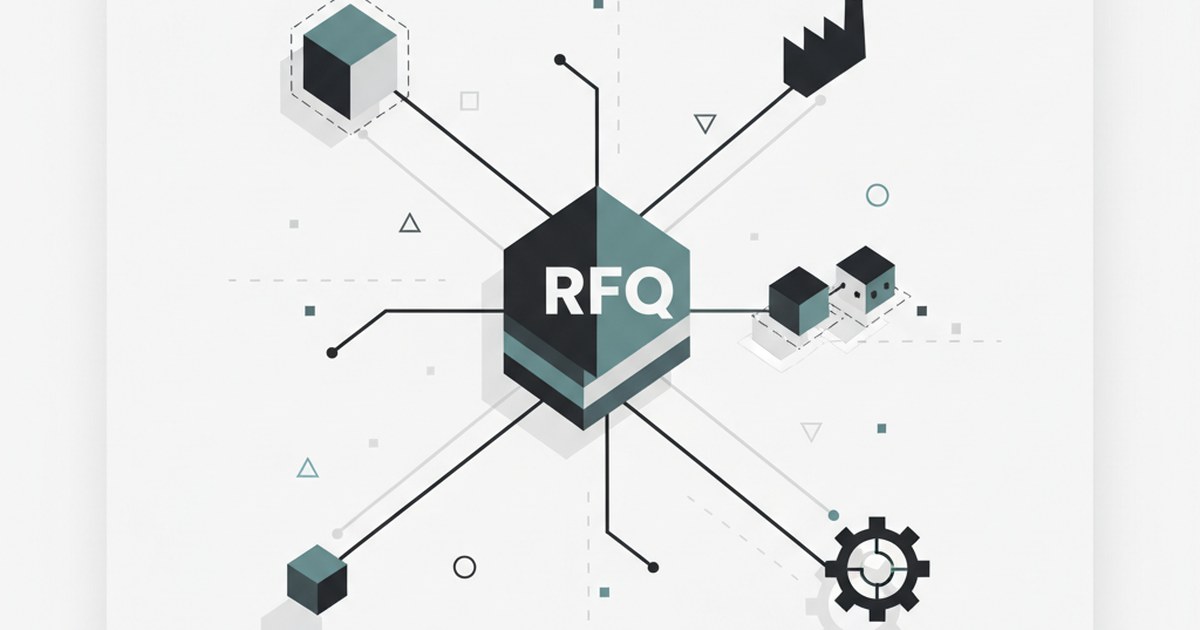
How Industrial Supply Chains Benefit From Structured RFQs
Inconsistent RFQs often lead to confusion and inflated costs. By standardizing your requests, you can make bid comparisons easier, speed up the sourcing process, and build better relationships with suppliers. This post looks at the practical benefits of using structured RFQs to create a more efficient industrial supply chain.

How Industrial Procurement Loses Leverage Through Poor Data
Relying on outdated systems and incomplete data leaves industrial procurement teams in a reactive cycle. Without real-time insights into supplier performance and market trends, you lose negotiating power and miss cost-saving opportunities. This post looks at how solid data transforms procurement from a back-office task into a strategic asset.
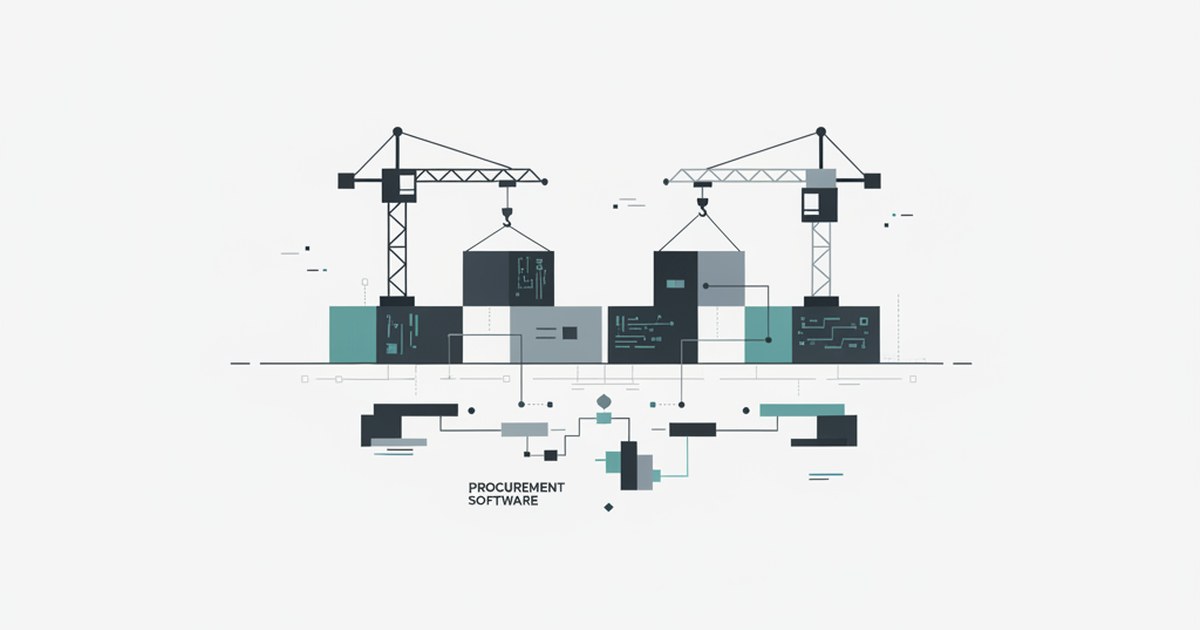
How Procurement Software Supports Modular Construction
Modular construction relies on tight timelines and precise off-site assembly. This post examines how procurement software supports these projects by integrating complex supply chains, automating inventory tracking, and improving stakeholder collaboration to prevent delays and manage costs effectively.
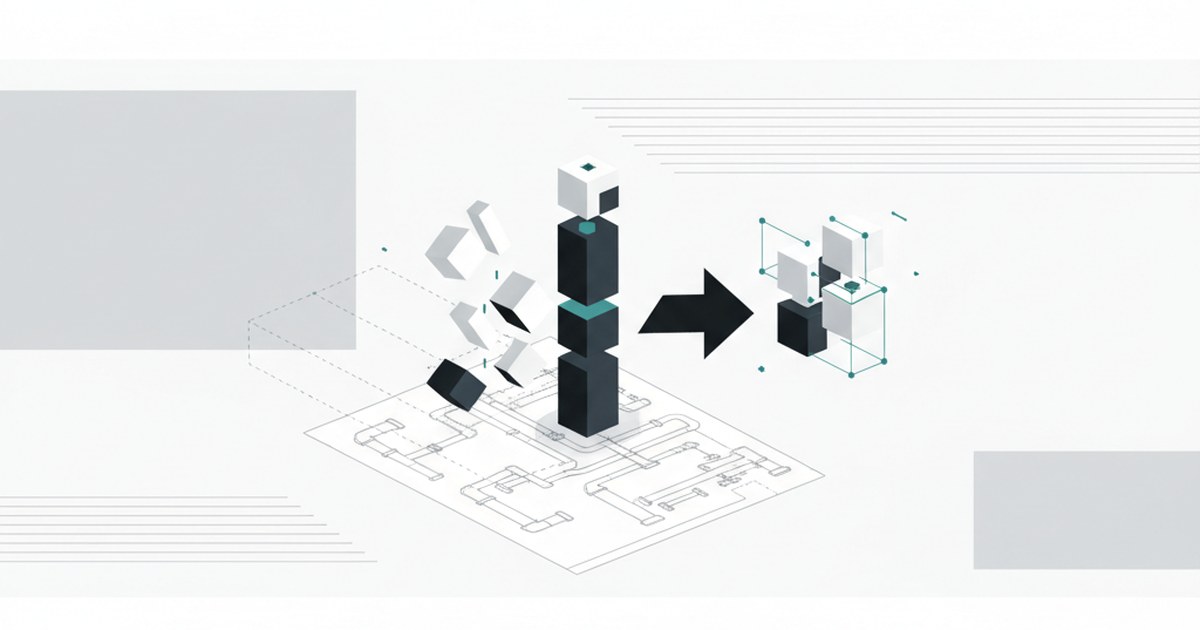
Why Capital Projects Fail Without Procurement Standardization
Fragmented procurement processes are a leading cause of capital project failure. Without standardization, organizations often face budget overruns, compliance risks, and significant delays. This post examines how a unified approach to procurement improves supplier collaboration and financial control, helping complex projects stay on schedule.

Why Industrial Buyers Need Real Time Pricing Intelligence
Material costs and market dynamics change too fast for traditional procurement models. Real-time pricing intelligence gives industrial buyers the immediate data needed to negotiate stronger contracts, anticipate price shifts, and maintain supply chain resilience. It's no longer just an advantage—it's a necessity for protecting your margins.
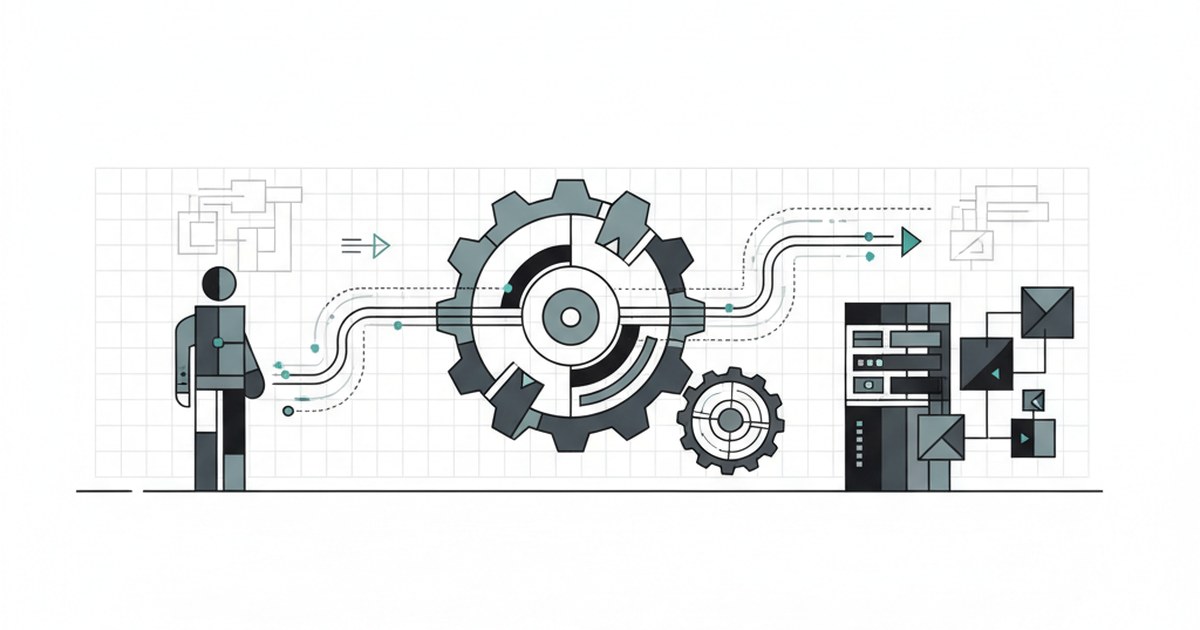
How Procurement Systems Improve Supplier Responsiveness
Manual processes and siloed information often slow down supplier communication. Modern procurement systems solve this by centralizing data and automating routine tasks. This post explores how leveraging real-time insights and streamlined workflows can help your team reduce lead times and build more responsive, reliable supplier partnerships.
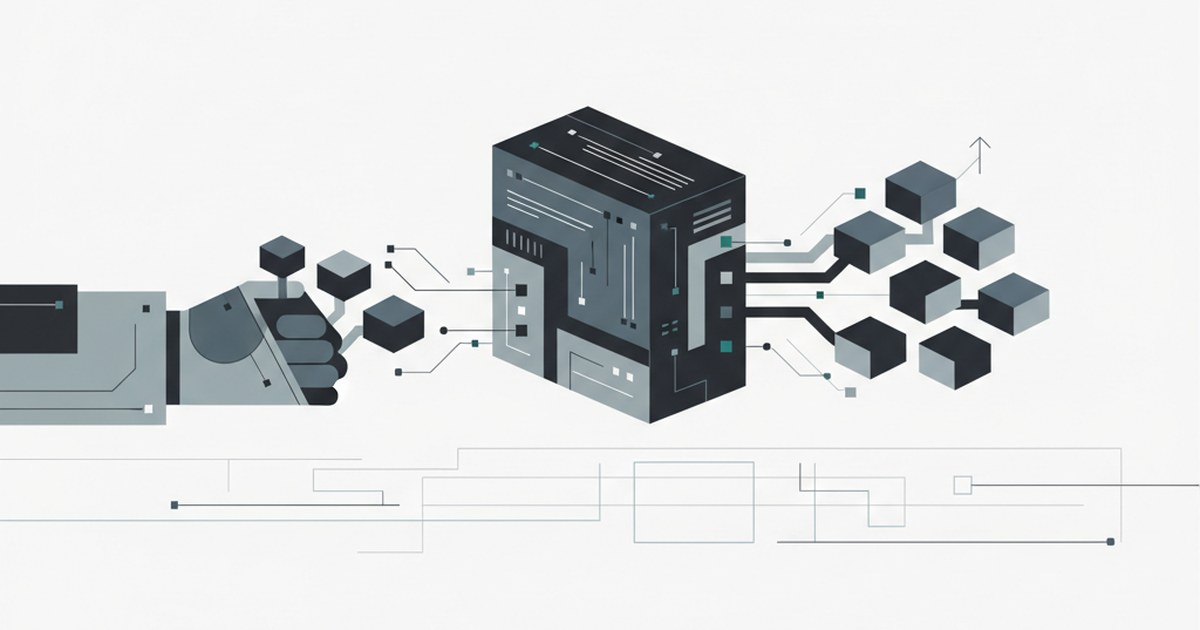
How Procurement Systems Improve Negotiation Leverage
Modern procurement systems do more than just process orders. They provide the data transparency and risk insights needed to negotiate from a position of strength. Learn how centralizing your data and using predictive analytics can help you secure better terms, build stronger supplier partnerships, and manage total cost of ownership.
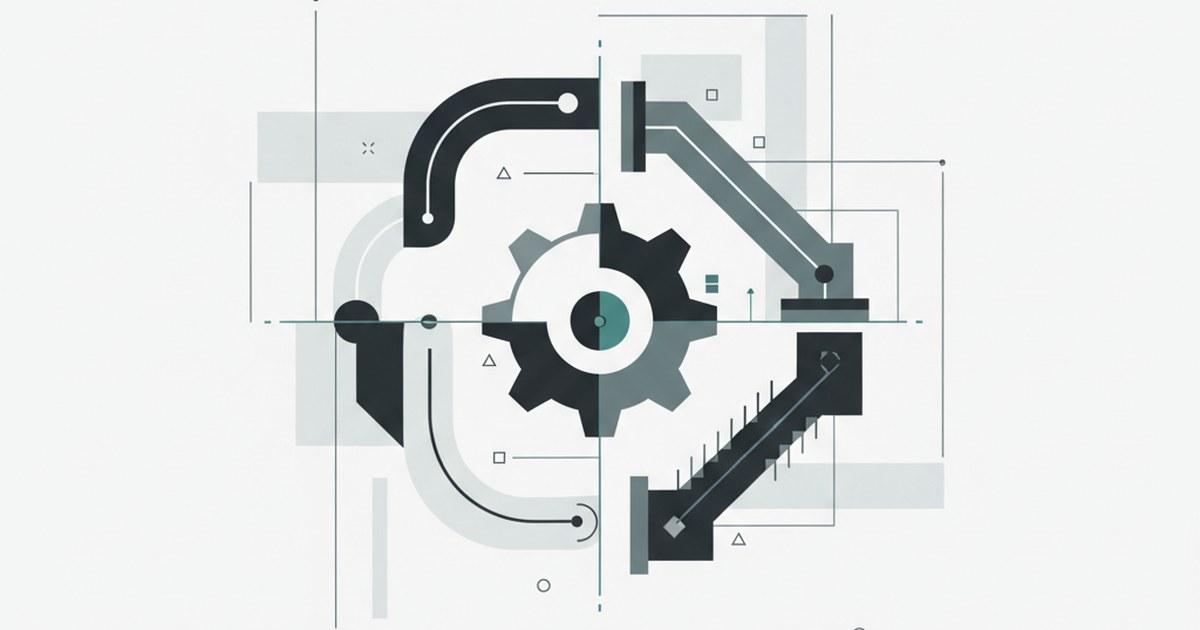
Why Procurement Systems Must Understand Engineering Constraints
When procurement teams focus only on cost and ignore engineering constraints, it often leads to quality issues and project delays. This post looks at the importance of aligning sourcing with technical specifications and how better communication between departments can prevent costly redesigns and improve overall production efficiency.

Procurement’s Expanding Role in Revenue Protection
Procurement is shifting from a back-office cost center to a strategic player in revenue protection. This look at the evolving landscape covers how data, supplier relationships, and new technology help procurement teams anticipate risks, mitigate disruptions, and safeguard the bottom line in an increasingly volatile market.

The Next Generation of Supplier Collaboration
Supply chain success is shifting from transactional "more for less" deals to collaborative partnerships built on trust. This post looks at how technology and a culture of shared innovation help organizations build resilient networks capable of navigating today’s unpredictable global economy while driving measurable business results.