
Insights on Procurement Intelligence
Perspectives on procurement complexity, bid evaluation, and the tools that actually move the needle for capital-intensive industries.
The Procurement Side of Project Schedule Risk
Project delays often stem from supply chain issues rather than poor planning. Learn how procurement and operations leaders can mitigate schedule risk through stronger supplier relationships, data-driven forecasting, and flexible sourcing. It’s about building an agile supply chain that can adapt when the unexpected happens.
Procurement as the Hidden Bottleneck in Grid Expansion
Engineering and technology often get the spotlight in grid expansion, but procurement is the real engine behind the scenes. This post explores how sourcing delays and supply chain risks can stall the energy transition and why utilities need to treat procurement as a strategic priority rather than just a back-office function.
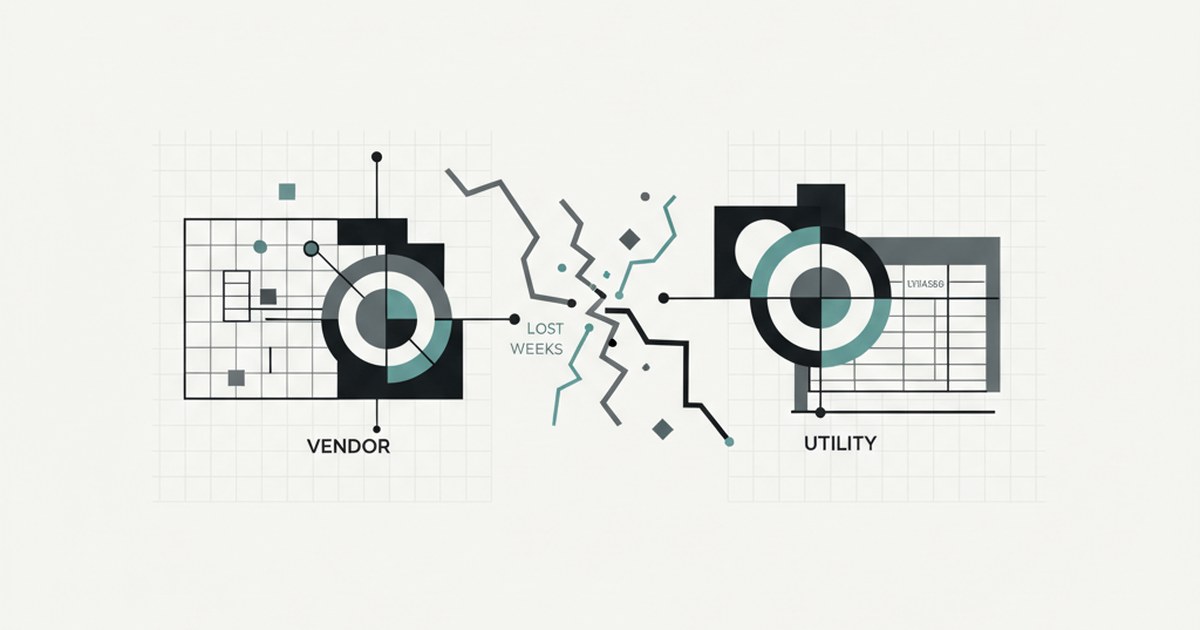
How Utilities Lose Weeks Reconciling Vendor Line Items
Utility teams often lose weeks to the manual slog of reconciling vendor invoices. High transaction volumes, human error, and siloed data create bottlenecks that impact cash flow and vendor trust. This post explores why these delays happen and how automation and better communication can help teams reclaim their time for more strategic work.
Engineering Specs vs Vendor Reality in T&D
Perfectly detailed specs don't always translate to the factory floor. In T&D procurement, the gap between what engineers want and what vendors can actually deliver often leads to delays and extra costs. We look at how collaborative design and flexible specifications can help bridge this gap and keep projects on track.

Supply Chain Friction in High-Voltage Equipment Procurement
High-voltage equipment procurement is often slowed by regulatory hurdles and long lead times. This "supply chain friction" can derail budgets and timelines. Learn how to address these bottlenecks through better supplier collaboration, integrated communication, and predictive technology to keep your energy projects on track.
Procurement Visibility in Substation Programs
Managing procurement for substation programs often means navigating silos and long lead times. This article discusses the practical benefits of increased visibility—from real-time monitoring to better stakeholder collaboration—and how these steps help mitigate risk and keep critical infrastructure projects on schedule.
The Procurement-Project Controls Disconnect
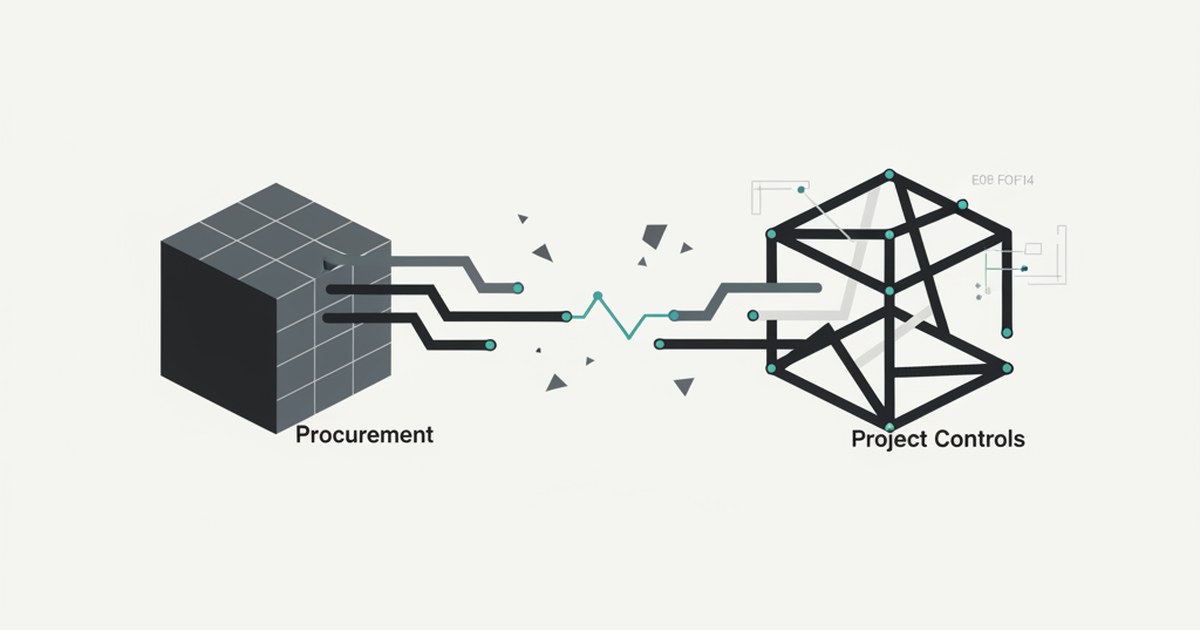
Procurement and project controls often operate with conflicting priorities, leading to missed deadlines and cost overruns. Bridging this disconnect requires aligned KPIs and integrated workflows to ensure projects are delivered efficiently and within budget.

Why Email Is Still the Default RFQ Channel
Despite the push for new procurement software, email remains the default for RFQs. It's reliable, cost-effective, and preferred by most suppliers. We look at why the simplest tool is often the most effective for managing quotes and how to balance traditional communication with modern efficiency without overcomplicating your workflow.
Coordinating Suppliers Across Multi-Discipline Projects
Managing complex projects with multiple suppliers requires more than just a timeline. It takes centralized communication, shared performance metrics, and a proactive approach to risk. By aligning objectives and building genuine partnerships, procurement leaders can prevent silos and keep multi-discipline projects on track and on budget.

Managing Vendor Clarifications in Complex Builds
Misunderstandings with vendors can derail even the best-planned projects. Effective management during complex builds relies on clear communication, rigorous documentation, and treating vendors as partners. By streamlining how you handle clarifications, you can minimize risks and keep your operations running on schedule.