
Insights on Procurement Intelligence
Perspectives on procurement complexity, bid evaluation, and the tools that actually move the needle for capital-intensive industries.

Supplier Collaboration in Infrastructure Programs
Infrastructure projects often face delays due to fragmented supply chains. This post explores how procurement leaders can improve outcomes by moving beyond transactional vendor relationships. We cover the benefits of early supplier involvement, real-time communication tools, and using shared KPIs to keep complex programs on track.
Bid Leveling in T&D: Why It's More Complex Than It Looks
Choosing the lowest bid in T&D often leads to hidden costs. Effective bid leveling requires looking beyond the price tag to compare technical scopes, assess contractor risk, and align procurement with engineering. Here's a look at how to use data and better communication to make decisions that hold up through the project lifecycle.
The Cost of Misaligned Specifications in T&D Bids
In T&D projects, even minor specification errors can lead to major delays and unexpected costs. We look at the ripple effect of misaligned bids, the financial risks of vague documentation, and best practices for procurement teams to ensure clarity, foster supplier trust, and keep projects within budget.
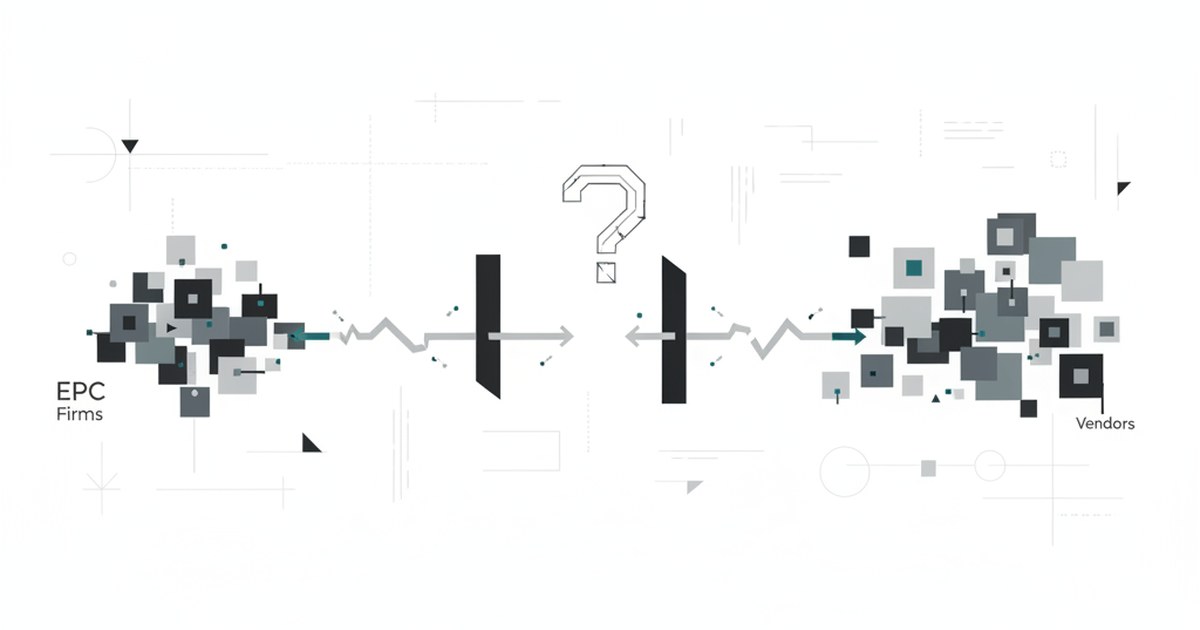
Why EPC Firms Struggle with Vendor Response Management
Managing vendor responses is a constant hurdle for EPC firms, often leading to project delays and budget overruns. This post looks at the root causes of these struggles—from communication gaps to outdated manual processes—and shares practical ways to streamline coordination and leverage technology to keep projects on track.
Procurement Bottlenecks in Substation Expansion Programs
Grid expansion projects are often slowed by procurement delays and misaligned timelines. This post breaks down the root causes of these bottlenecks—from communication gaps to long lead times—and outlines how stronger supplier relationships and data-driven strategies can help utility teams keep infrastructure projects on track.
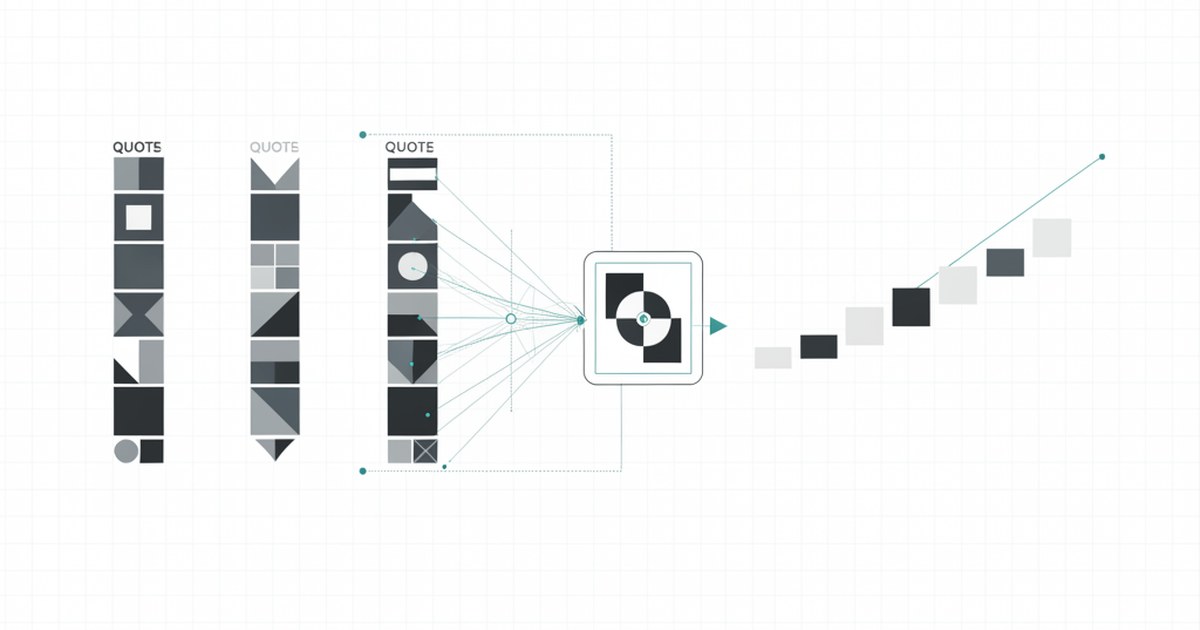
Reducing Quote Normalization Time in Capital Projects
Standardizing bids from different suppliers is often a slow, manual process that delays capital projects. This article looks at how to speed up quote normalization by using automation, setting clear submission guidelines, and improving supplier communication to help procurement teams make faster, more accurate decisions.
The Missing Procurement Intelligence Layer in T&D
T&D procurement often focuses on cost and completion rates, but these metrics rarely tell the whole story. This article explores how a dedicated intelligence layer—built on predictive analytics and cross-departmental data—can help leaders align training investments with actual performance and long-term business goals.
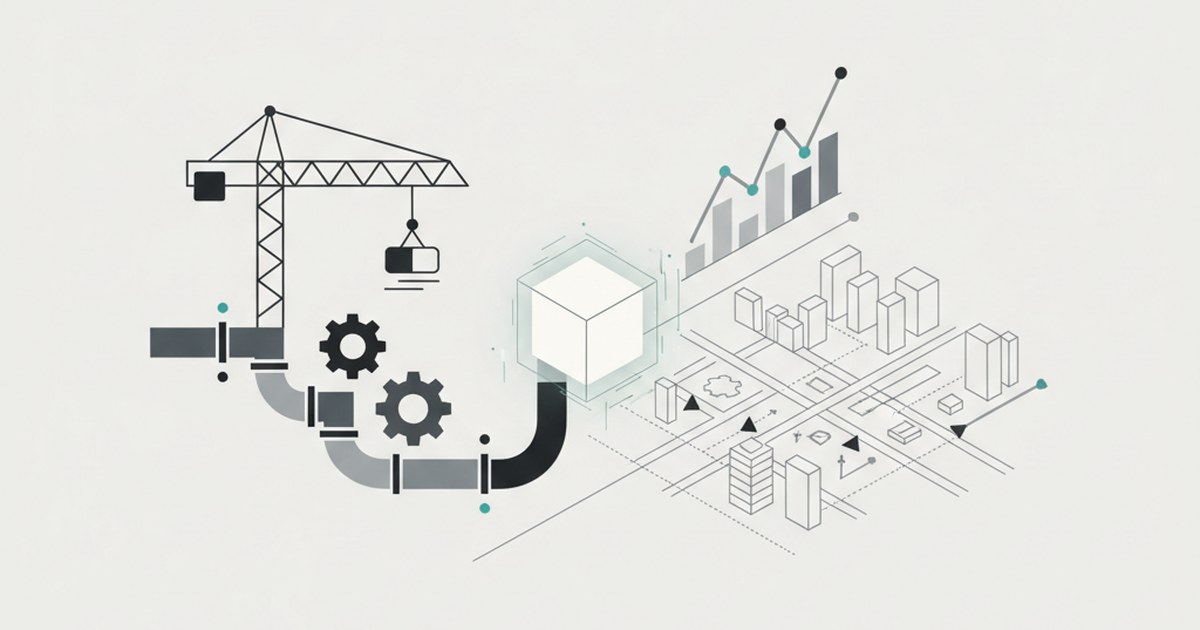
Procurement Digitization in Infrastructure Industries
Traditional procurement in infrastructure is often slow and opaque. Moving to digital systems helps teams streamline workflows, cut costs, and improve transparency across complex projects. From automating routine tasks to better managing supplier relationships, digitization is becoming essential for staying competitive and sustainable.
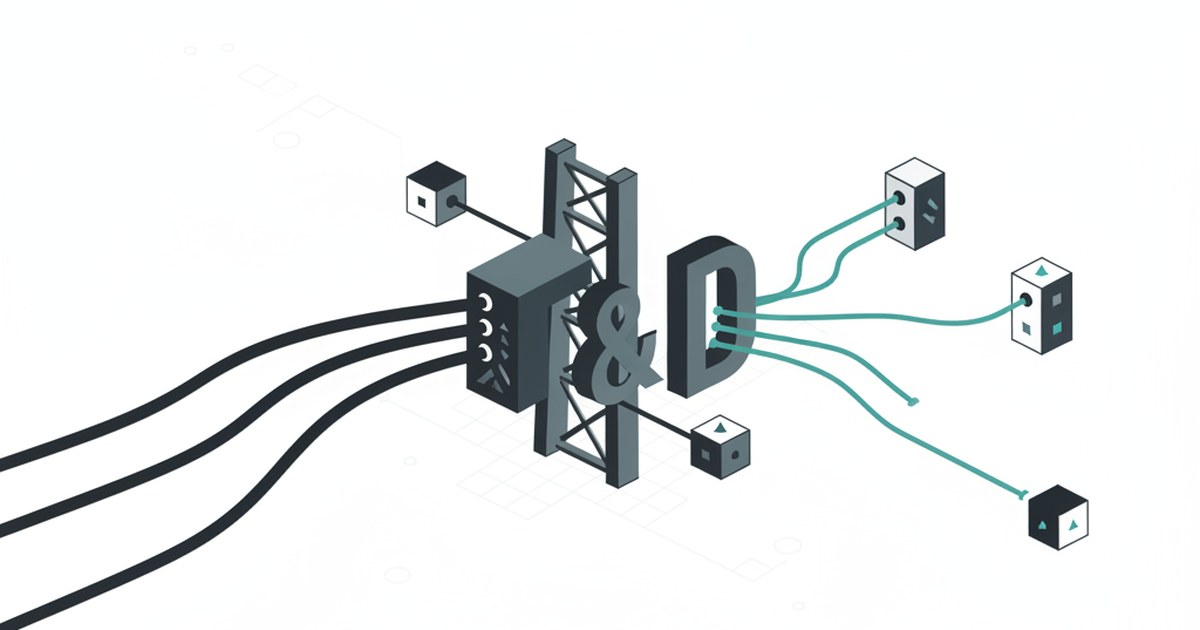
Managing Supplier Concentration Risk in T&D
Relying on a small pool of suppliers creates significant vulnerabilities. This post explores how T&D leaders can mitigate concentration risk through diversification, robust risk assessments, and collaborative partnerships. Learn how to build a more resilient supply chain that protects your operations and ensures long-term stability.
Evaluating Technical Compliance in Transmission Equipment Quotes
Selecting transmission equipment requires more than just comparing prices. This guide outlines a systematic approach to vetting technical specs, supplier history, and project risks. Learn how to standardize your evaluation process to avoid costly delays and ensure every quote aligns with your operational and regulatory requirements.