Insights on Procurement Intelligence
Perspectives on procurement complexity, bid evaluation, and the tools that actually move the needle for capital-intensive industries.

The Limits of ERP in Transmission Equipment Sourcing
Standard ERP systems provide a solid foundation, but they often struggle with the specialized demands of sourcing transmission equipment. This post examines why these systems fall short on granularity and strategic supplier relationships, and how procurement leaders can adapt their processes for better results in the energy sector.

Procurement as Infrastructure in Infrastructure Projects
Procurement isn't just about buying materials; it's the framework that holds complex infrastructure projects together. From mitigating supply chain risks to meeting sustainability goals, this article examines why integrating procurement into the early stages of project planning is essential for long-term operational success.

Capital Equipment Sourcing in Infrastructure Cycles
Infrastructure cycles require a dynamic approach to equipment sourcing. From locking in prices during growth phases to leveraging rentals during downturns, procurement leaders must stay agile. We explore how risk mitigation, technological advances, and supplier partnerships help keep large-scale projects on track and within budget.
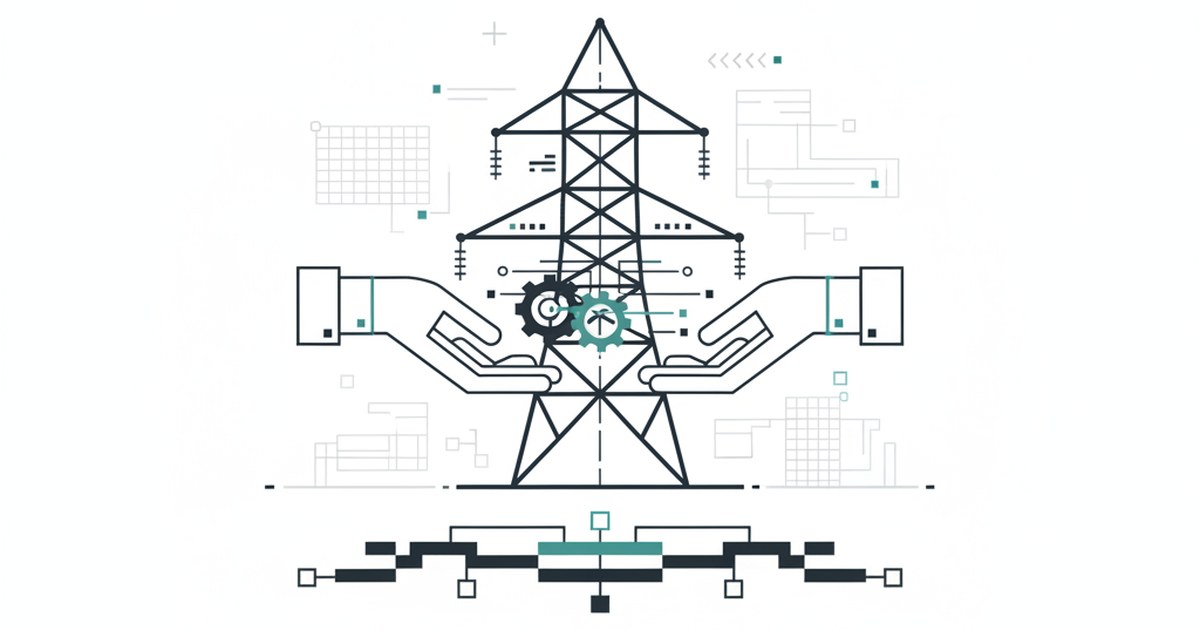
The Future of Vendor Collaboration in Transmission
The transmission sector is moving from transactional vendor relationships to strategic partnerships. By leveraging technology and aligning mutual goals, operators can build more resilient supply chains and drive innovation. This shift toward co-creation and trust is essential for improving efficiency and lowering costs in a complex market.

Comparing Apples to Oranges in Substation Equipment Bids
Procurement for substation equipment can be messy when every vendor proposal looks different. This guide explores how to move past the sticker price by standardizing specs, calculating total lifecycle costs, and vetting performance history. Learn how to simplify complex bids to find the best long-term value for your project.
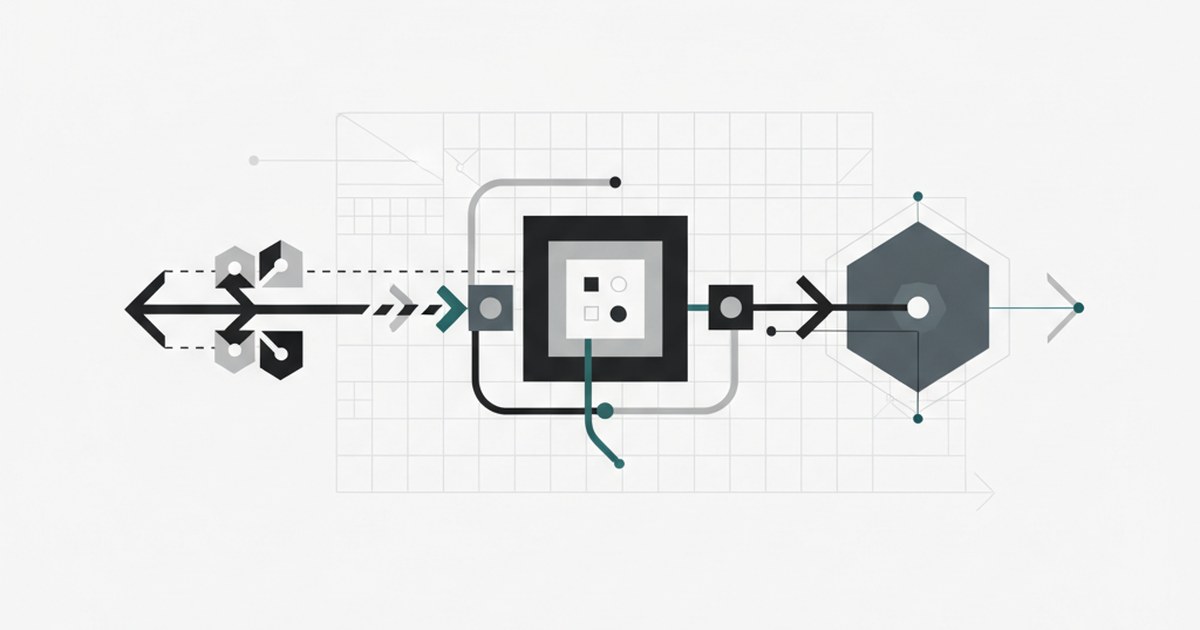
Integrating RFQ Workflows into Existing Systems
Manual RFQs are slow and prone to error. Integrating these workflows into your existing systems helps eliminate bottlenecks and data silos. We look at how to map current processes, choose compatible technology, and manage the transition to help your procurement team achieve better transparency and faster decision-making.

Why Capital Program Scale Breaks Traditional RFQ Processes
Traditional RFQs struggle to keep up with the scale and complexity of modern capital programs. Static data and rigid structures often lead to missed opportunities and cost overruns. This post explores why shifting toward agile procurement, real-time data, and collaborative partnerships is essential for managing large-scale projects today.

Structured Data vs Unstructured Vendor Emails
Between pricing updates and shipment delays, vendor emails can be a mess. We look at the difference between organized, structured data and the "needle in a haystack" chaos of unstructured emails. Discover how to bridge the gap using technology and better communication to keep your supply chain running smoothly.

The Problem with Copy-Paste Bid Analysis in EPC Projects
Reusing past bid analyses might save time, but it often leads to budget overruns and missed risks in EPC projects. This looks at the hidden costs of "copy-paste" procurement and how a more tailored, data-driven approach to vendor evaluation helps protect your margins and improve project outcomes.
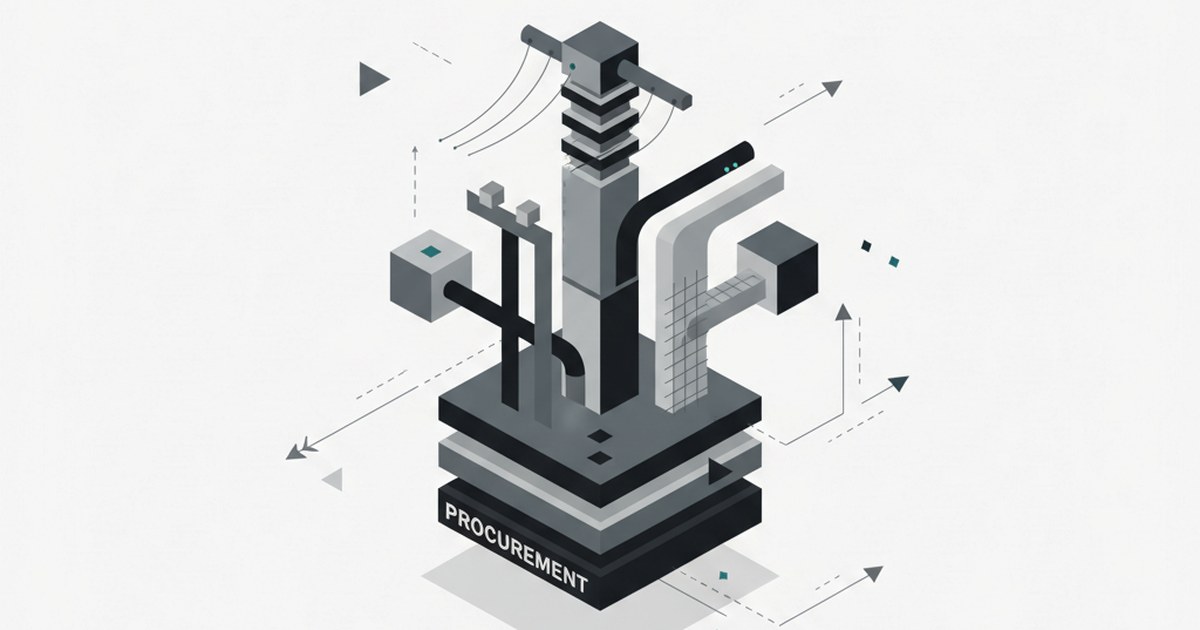
The Procurement Layer in Utility Capital Programs
Utilities are moving away from transactional sourcing toward a strategic procurement layer for capital programs. By involving procurement in the early planning stages, companies can better manage supply chain risks, improve supplier relationships, and hit project milestones without blowing the budget.