
Insights on Procurement Intelligence
Perspectives on procurement complexity, bid evaluation, and the tools that actually move the needle for capital-intensive industries.
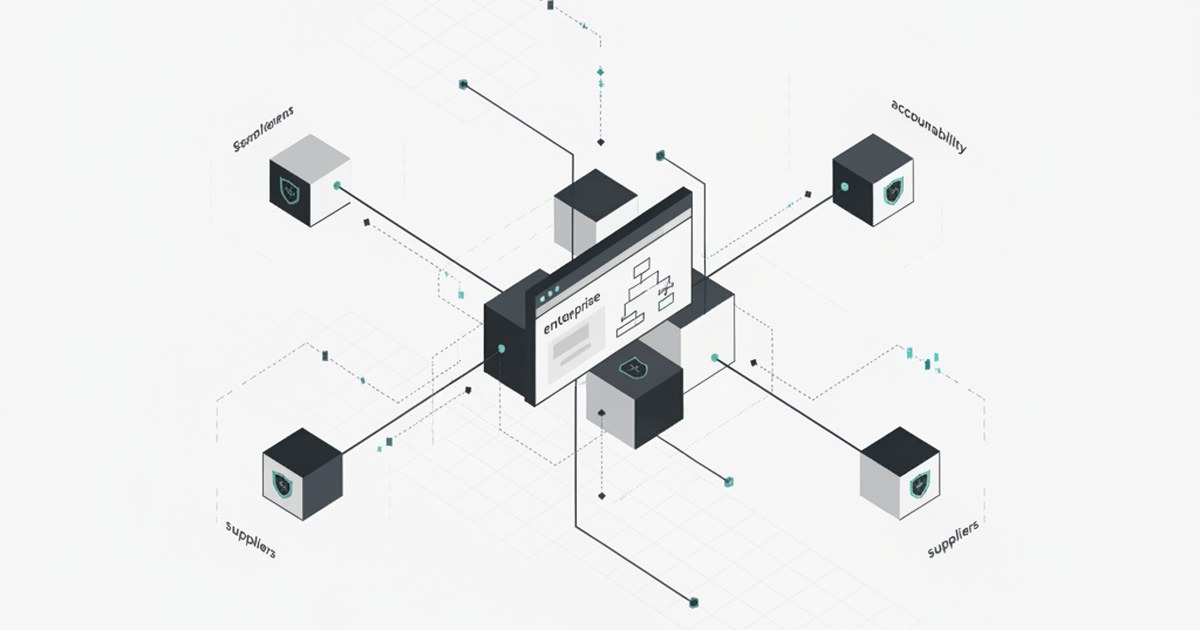
How Digital RFQs Improve Supplier Accountability in EPC
In EPC, supplier accountability is the difference between project success and costly delays. Traditional email chains and spreadsheets often fall short. We look at how digital RFQs bring transparency to procurement, using real-time tracking and standardized evaluations to keep projects on schedule and budgets in check.
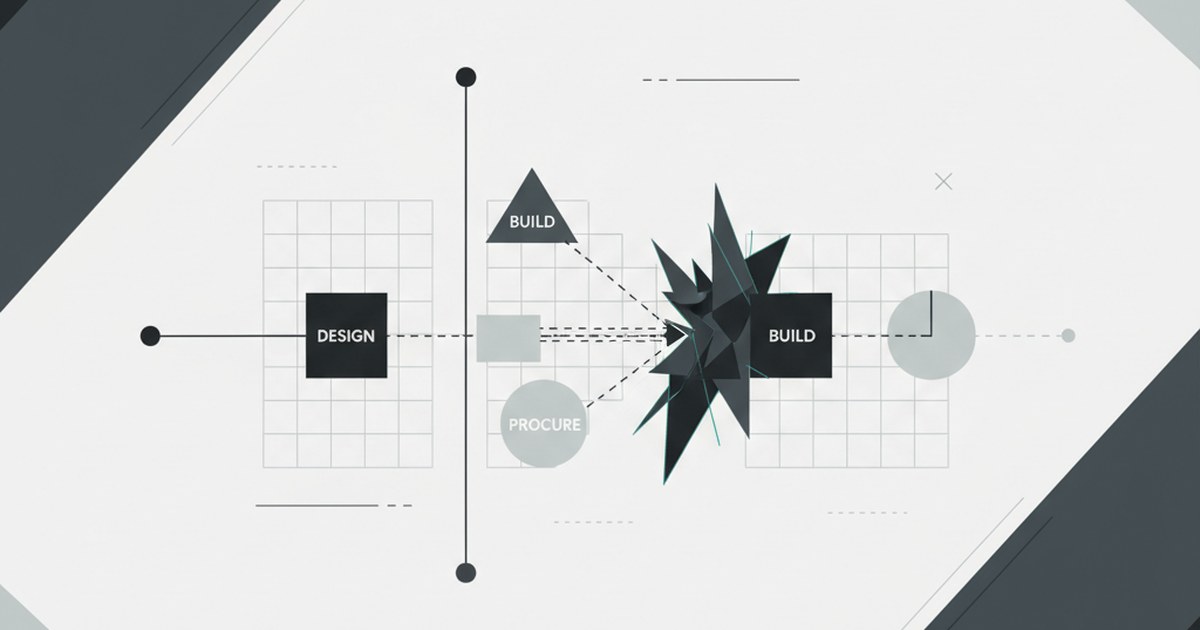
The Hidden Procurement Bottlenecks Inside Capital Projects
Capital projects often stall due to procurement issues that go unnoticed until costs start to climb. From inefficient vendor selection to poor demand forecasting and communication silos, these bottlenecks are avoidable. We look at the most common pitfalls and how to address them to keep your projects on schedule and under budget.
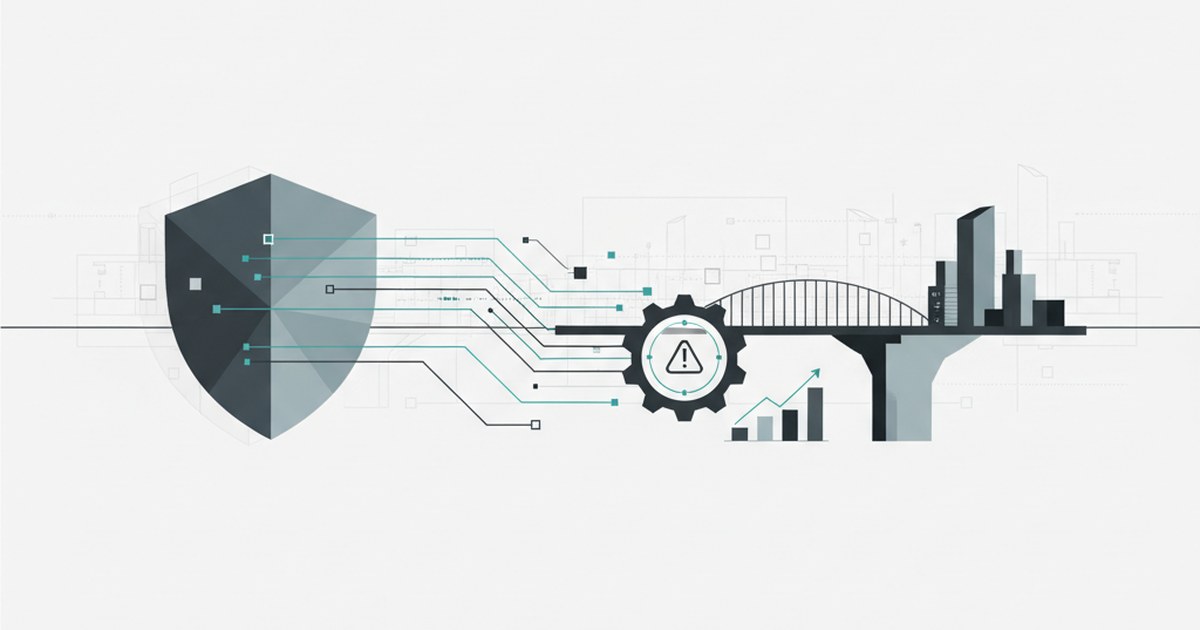
How Digital Procurement Reduces Risk in Infrastructure Programs
Infrastructure projects face constant risks from delays and budget overruns. Moving to digital procurement helps manage these challenges by improving transparency, streamlining stakeholder communication, and using data to make better sourcing decisions. This post breaks down why digital tools are now a necessity for complex project management.
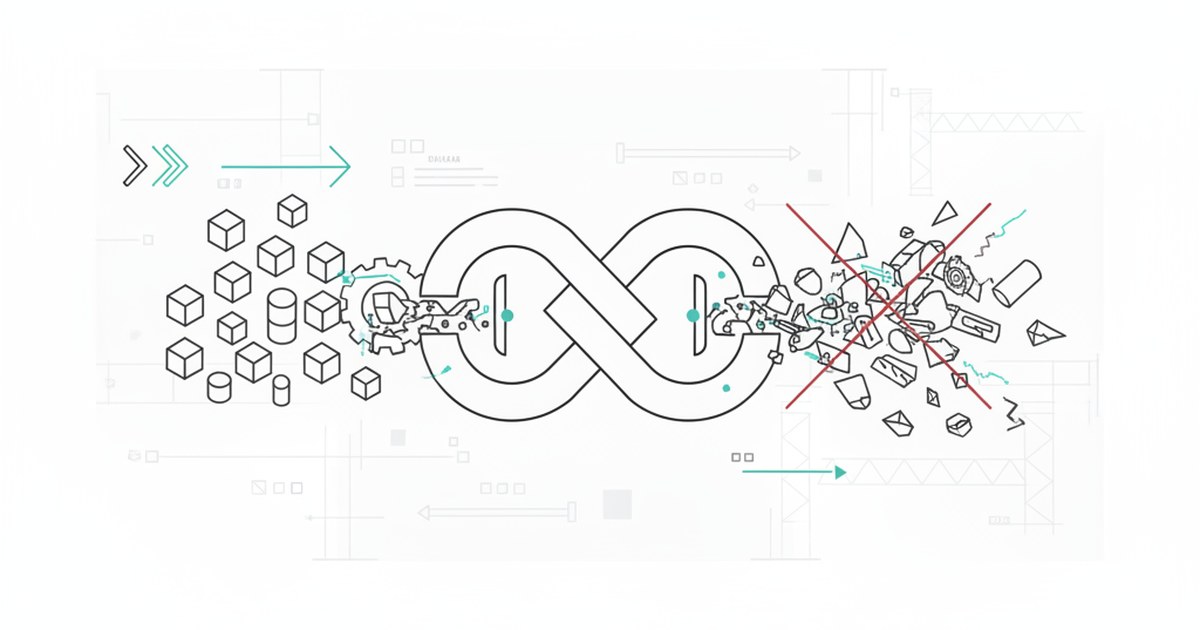
How Industrial Procurement Teams Lose Control Without Standard Intake
Fragmented intake processes often lead to rogue spending, data errors, and strained supplier relationships. This post looks at the real-world consequences of missing a standard procurement workflow and how industrial teams can regain control through centralized requests and better visibility.

Why Procurement Must Shift From Cost Control to Flow Control
Focusing solely on the lowest price can lead to supply chain bottlenecks and quality issues. This post examines why procurement is shifting from cost control to flow control, emphasizing supplier collaboration, data-driven agility, and value-based metrics to build a more resilient and responsive operation.
Why Engineering Led Buying Requires Different Sourcing Systems
Standard sourcing systems are built for bulk orders and long-term contracts, but engineers need speed and technical precision. When engineering leads the buying process, legacy tools often cause bottlenecks. Here is why procurement needs to evolve with flexible, data-driven systems that support innovation instead of slowing it down.

Why Spreadsheet Driven Sourcing Collapses Under Engineering Change
Spreadsheets are fine for simple tasks, but they often collapse under the weight of engineering changes. Manual data entry and version control issues lead to production delays and ballooning costs. This post examines the risks of spreadsheet-driven sourcing and why integrated platforms are necessary to keep teams and suppliers aligned.

How Digital Sourcing Reduces Change Order Risk
Poorly managed change orders can eat up 20% of a project's budget. Digital sourcing reduces this risk by providing a single source of truth for specifications, enabling real-time collaboration with suppliers, and using historical data to avoid common pitfalls. Here’s how moving away from manual processes protects your bottom line.

How Digital Intake Prevents Procurement Bottlenecks
Manual paperwork and data entry often cause unnecessary delays in procurement. Digital intake streamlines how requests are handled, making it easier to track progress and catch errors before they cause problems. It’s about more than just speed; it’s about better visibility, stronger supplier relationships, and keeping operations moving.

How AI Helps Procurement Anticipate Supply Constraints
Procurement is shifting from reacting to crises to anticipating them. By using AI for predictive analytics and real-time monitoring, teams can spot supply gaps before they cause delays. We look at how these tools help manage supplier risk, optimize inventory, and lower operational costs in an unpredictable market.