
Insights on Procurement Intelligence
Perspectives on procurement complexity, bid evaluation, and the tools that actually move the needle for capital-intensive industries.

How AI Changes RFQ Strategy in Custom Manufacturing
Custom manufacturing is moving away from manual, slow RFQ processes. Discover how AI-driven tools are automating workflows, predicting market disruptions, and improving supplier selection. By leveraging data instead of spreadsheets, procurement teams can reduce lead times and focus on more strategic, long-term business goals.

Why Procurement Systems Must Support Project Based Buying
Project-based buying doesn't work like routine purchasing. When procurement systems aren't built for unique project timelines and shifting scopes, it leads to delays and overspending. This post looks at why flexibility, better data, and cross-team collaboration are necessary to handle the complexities of project-led work.
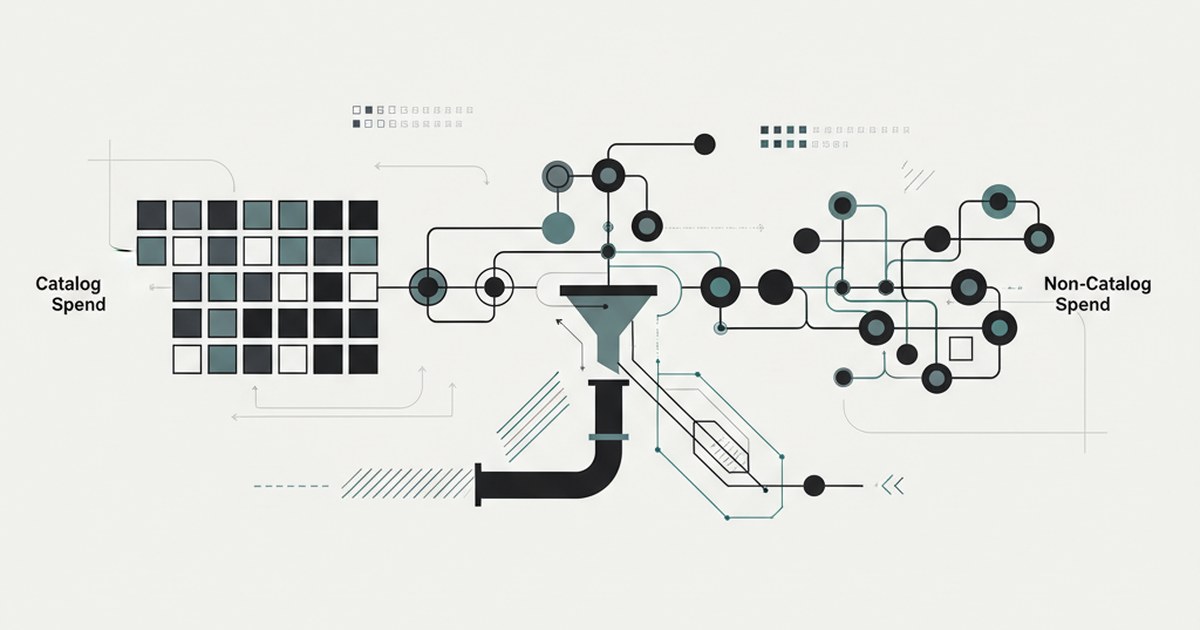
Why Procurement Systems Must Handle Non Catalog Spend
Non-catalog spend can account for over 80% of total expenditure, yet it often slips through the cracks. This look at procurement strategy explains why tracking ad-hoc purchases is critical for controlling costs and improving compliance, and offers practical steps for bringing these "invisible" expenses under management.

How Procurement Systems Reduce Risk in Brownfield Projects
Brownfield projects are complex, often plagued by regulatory hurdles and infrastructure issues. A robust procurement system helps manage these risks by centralizing data, automating compliance, and improving vendor oversight. Discover how digital tools transform unpredictable legacy sites into manageable, successful developments.

How EPC Procurement Breaks Down at Scale and How Software Fixes It
Scaling EPC procurement often creates bottlenecks like supplier overload and fragmented communication. This post explores why traditional methods fail as projects grow and how centralized software uses real-time data and better collaboration to keep large-scale construction projects on track and under budget.
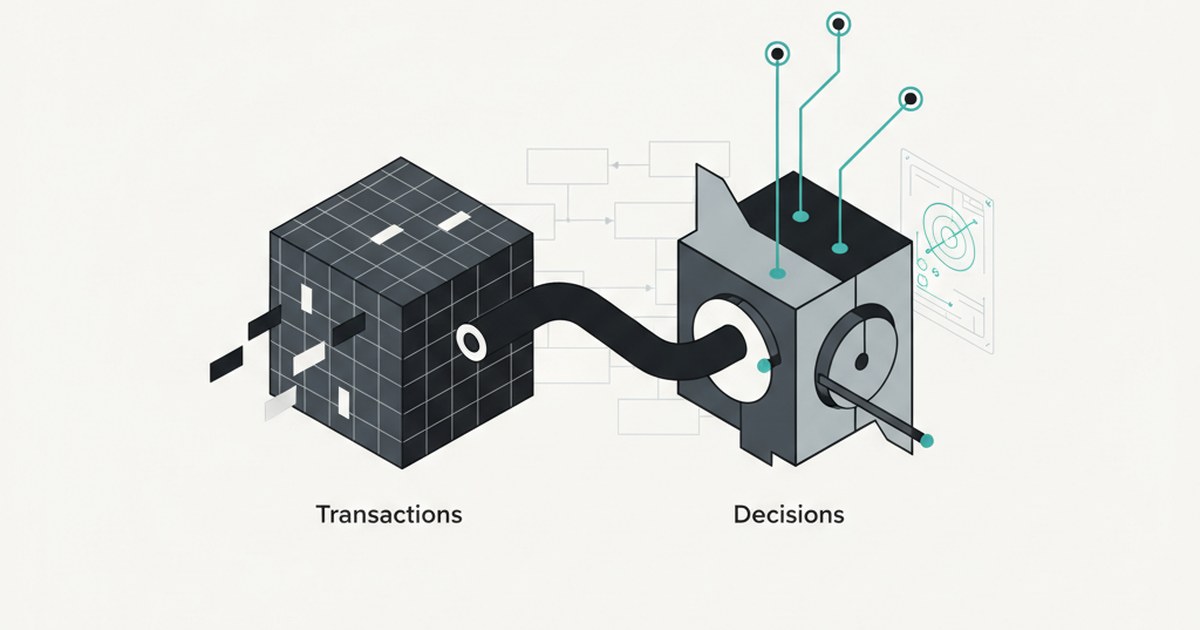
Why Procurement Must Shift From Transactions to Decisions
Procurement is often stuck in a cycle of transactions, but focusing only on POs and price tags misses the bigger picture. By shifting to a decision-based model, teams can use data and supplier relationships to drive innovation. It’s about moving beyond cost-cutting to become a strategic partner that supports long-term business goals.

Why Industrial Automation Procurement Fails Without Systems Thinking
Industrial automation often fails when equipment is bought without considering the whole business. When procurement, IT, and operations don’t align, the result is usually wasted capital and technical friction. Discover how systems thinking moves automation from a risky purchase to a strategic success.
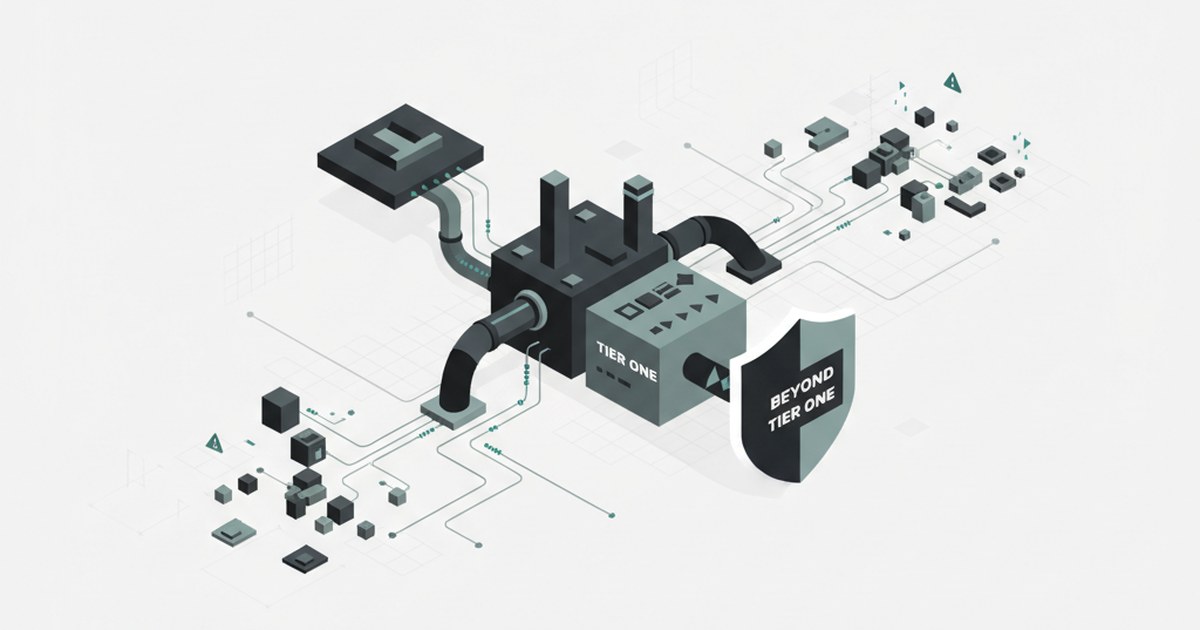
Why Procurement Must Manage Risk Beyond Tier One Suppliers
Relying solely on direct supplier relationships creates dangerous blind spots. To build a truly resilient supply chain, procurement teams must look deeper into their networks. We break down why visibility into tier two and three suppliers is essential for avoiding disruptions and how to start mapping your entire supply landscape.

How AI Helps Procurement Prioritize Critical Path Materials
Managing critical path materials is the difference between meeting a deadline and a total production halt. This post explores how procurement teams use AI to improve demand forecasting, assess supplier risk, and automate inventory management. It's about using real-time data to stay agile and keep projects moving when disruptions hit.

Why Capital Equipment Procurement Cannot Be Fully Outsourced
Capital equipment is a major investment that requires internal context third-party firms often lack. We look at why keeping procurement in-house is critical for managing risk, maintaining supplier relationships, and ensuring new machinery aligns with your team's specific goals and long-term operational strategy.