
Insights on Procurement Intelligence
Perspectives on procurement complexity, bid evaluation, and the tools that actually move the needle for capital-intensive industries.

The Procurement Role in Preventing Construction Rework
Rework costs construction firms billions every year, yet many of these errors start in the planning phase. We look at the critical role procurement plays in preventing rework—from vetting suppliers to leveraging BIM. By focusing on quality and coordination early on, procurement leaders can drastically reduce project delays and wasted spend.

Why Procurement Needs Better Visibility Into Market Dynamics
In a volatile economy, procurement needs more than just contract data. This post examines why visibility into market dynamics—from geopolitical shifts to supplier trends—is essential for managing risk. Discover how a proactive approach, powered by technology and strong relationships, can help you stay ahead of supply chain disruptions.
Why Procurement Needs Better Alignment With Project Schedules
Misalignment between procurement and project schedules leads to wasted resources and missed deadlines. To stay competitive, organizations must break down silos and integrate these workflows. By using better technology and fostering collaboration, teams can sync timelines to ensure critical materials arrive exactly when they’re needed.

How Procurement Systems Improve Collaboration Across Project Teams
When departments operate in silos, projects suffer from delays and miscommunication. Procurement systems help bridge this gap by centralizing data and automating manual workflows. This keeps teams aligned, improves decision-making through real-time analytics, and frees up time to focus on project innovation rather than administrative tasks.

Why Procurement Must Shift From Reactive to Predictive
Procurement teams often get stuck in a cycle of crisis management, but reacting to disruptions after they happen is no longer enough. Shifting to a predictive model uses data and AI to anticipate market shifts and mitigate risks before they hit. It's time to move beyond firefighting and turn procurement into a proactive strategic driver.

Why Procurement Must Balance Speed and Governance
Procurement leaders often feel forced to choose between efficiency and compliance. While speed is a competitive edge, skipping the rules leads to costly risks. Here is how to balance the two using better tech and clear guidelines, ensuring your team can move quickly without losing sight of the essential framework that protects the business.
Why Procurement Must Evolve for Electrification Projects
Electrification projects demand more than just new hardware; they require a total rethink of procurement strategy. From building tech-focused supplier partnerships to navigating new regulations and leveraging data, this post explores how procurement must evolve to drive innovation and sustainability in an electric future.

How AI Enables Smarter Make Versus Buy Decisions
Choosing between in-house production and outsourcing is a high-stakes balancing act. AI helps leaders move beyond gut feelings by using predictive analytics to forecast demand, uncover hidden costs, and evaluate supplier risks. Explore how data-driven insights lead to smarter, more reliable make-versus-buy decisions.
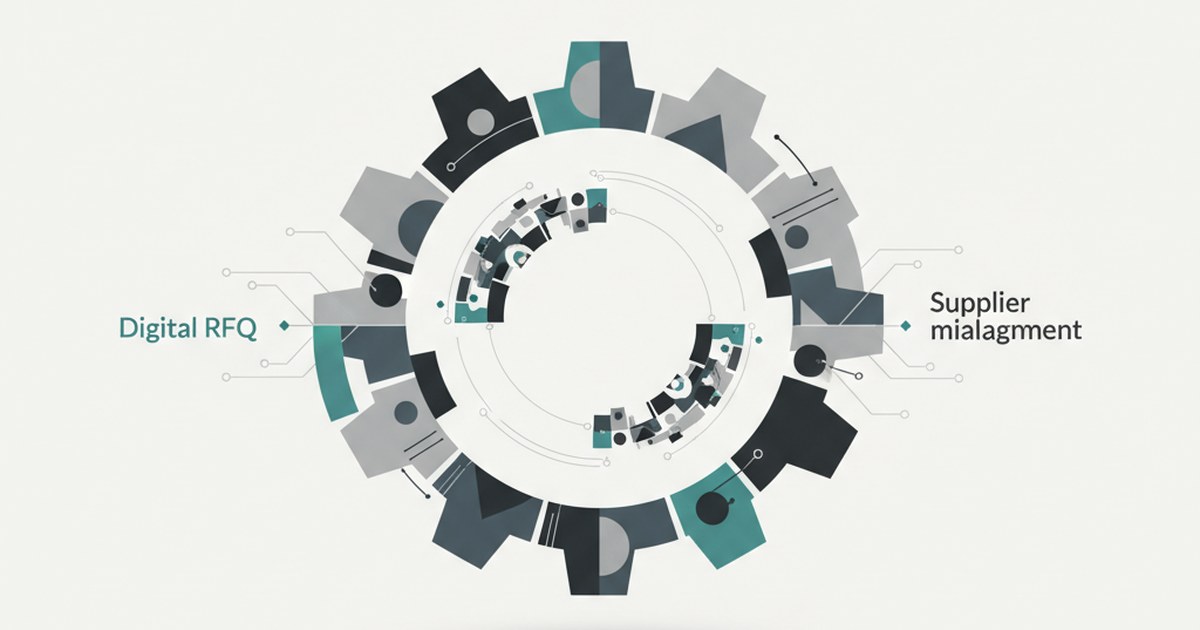
How Digital RFQs Reduce Supplier Misalignment
Manual procurement often leads to missed deadlines and pricing discrepancies. This post examines how digital RFQs fix supplier misalignment by standardizing the bidding process, improving transparency, and using data to drive better negotiations. Learn how to turn scattered communication into a strategic advantage for your supply chain.
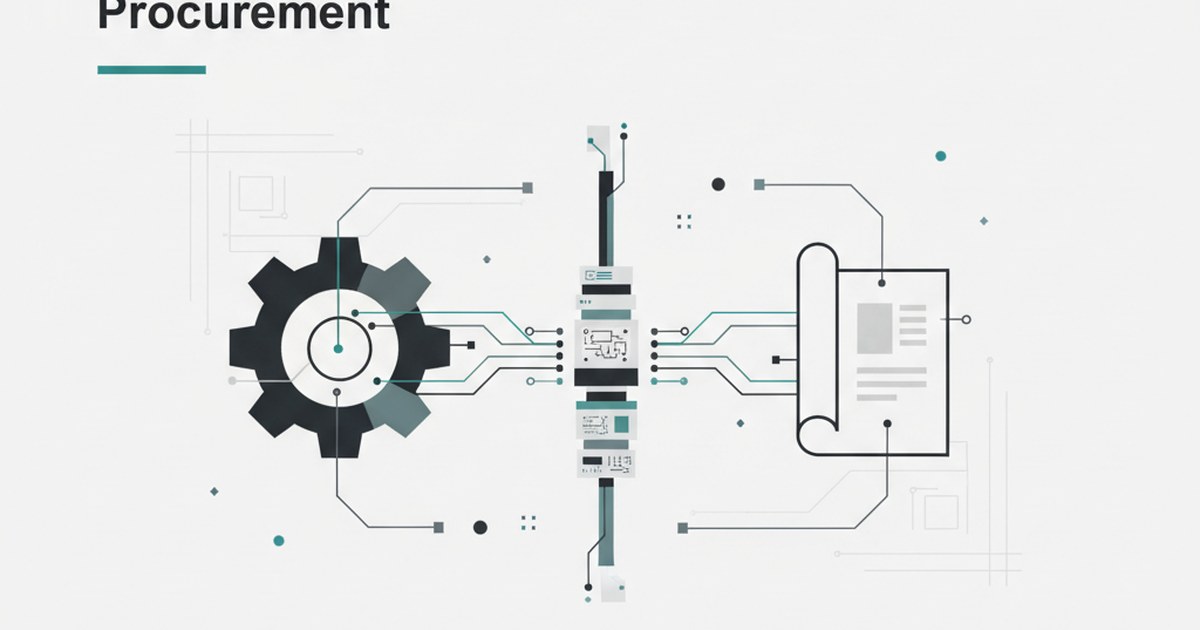
How Digital Intake Aligns Engineering and Procurement
Miscommunication between engineering and procurement can lead to costly delays and the wrong materials. Digital intake fixes this by creating a shared space for real-time requirements and feedback. This post breaks down how a unified data hub speeds up sourcing and keeps both teams aligned from the start of every project.