
Insights on Procurement Intelligence
Perspectives on procurement complexity, bid evaluation, and the tools that actually move the needle for capital-intensive industries.

RFQ Data Integrity in Engineering-Heavy Projects
In engineering projects, bad RFQ data often leads to budget overruns and delays. Maintaining data integrity requires clear communication, the right technology, and consistent staff training. Learn why accurate procurement data is the foundation for staying on schedule and protecting your project's bottom line.
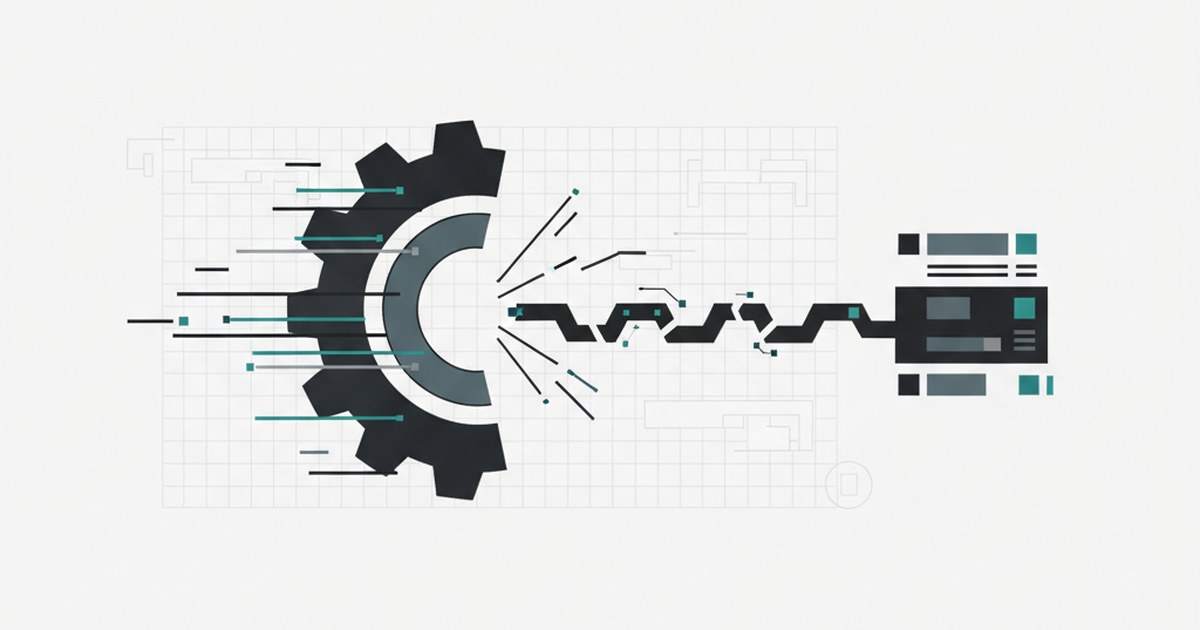
The Impact of Procurement Delays on Project Controls
Procurement delays do more than just stall a timeline; they often lead to budget overruns and logistical bottlenecks. We explore the hidden costs of these delays and share practical strategies to help procurement leaders maintain better project controls through improved visibility and supplier management.

Why Procurement Should Be Strategic in Capital Programs
Many organizations still treat procurement as a reactive, transactional task. But for large-scale capital programs, a strategic approach is essential. From building better supplier partnerships to using data for risk mitigation, learn how procurement can move beyond simple cost-cutting to drive long-term project value.

The Procurement Challenges Behind Renewable Grid Integration
Integrating renewables requires more than just new hardware—it demands a shift in procurement. Between managing power fluctuations, evolving regulations, and the need for a skilled workforce, supply chain leaders have a lot to navigate. Here’s a look at the strategies needed to build a resilient and sustainable energy grid.

Bid Tabulation in Transmission Projects: What Goes Wrong
Bid tabulation is critical for transmission projects, but common errors often lead to delays and overruns. We look at the most frequent pitfalls—from focusing only on cost to neglecting documentation—and discuss how a strategic approach to evaluating vendor proposals can improve project outcomes and supplier relationships.

The Real Risk of Manual Quote Comparison in Grid Projects
Managing grid project quotes manually often leads to overlooked details and expensive errors. As projects grow in complexity, the hours spent on data entry take away from strategic work. This post examines the risks of sticking with spreadsheets and how moving toward automated tools can improve accuracy and keep large-scale projects on track.

Capital Project Procurement Playbooks for Utilities
Utility procurement teams face unique hurdles, from aging infrastructure to strict regulations. Developing a dedicated playbook can help streamline capital projects by standardizing supplier vetting, contract management, and scope definition. This guide outlines how to build a framework that reduces risk and keeps complex projects on track.

Why Email-Driven RFQ Intake Creates Capital Project Risk
Relying on email for RFQ intake often leads to miscommunication, lost data, and version control errors that can derail capital projects. While it feels familiar, managing complex bidding through an inbox creates unnecessary risks for timelines and budgets. A more structured approach ensures better accuracy and more reliable project outcomes.

Why Procurement Needs Stronger Supplier Performance Signals
Many procurement teams find themselves navigating supply chain risks without clear signals from their suppliers. Strengthening these indicators through data analytics and collaborative management helps identify issues before they cause delays. It’s a move from reactive fixes to a proactive strategy that ensures long-term reliability.
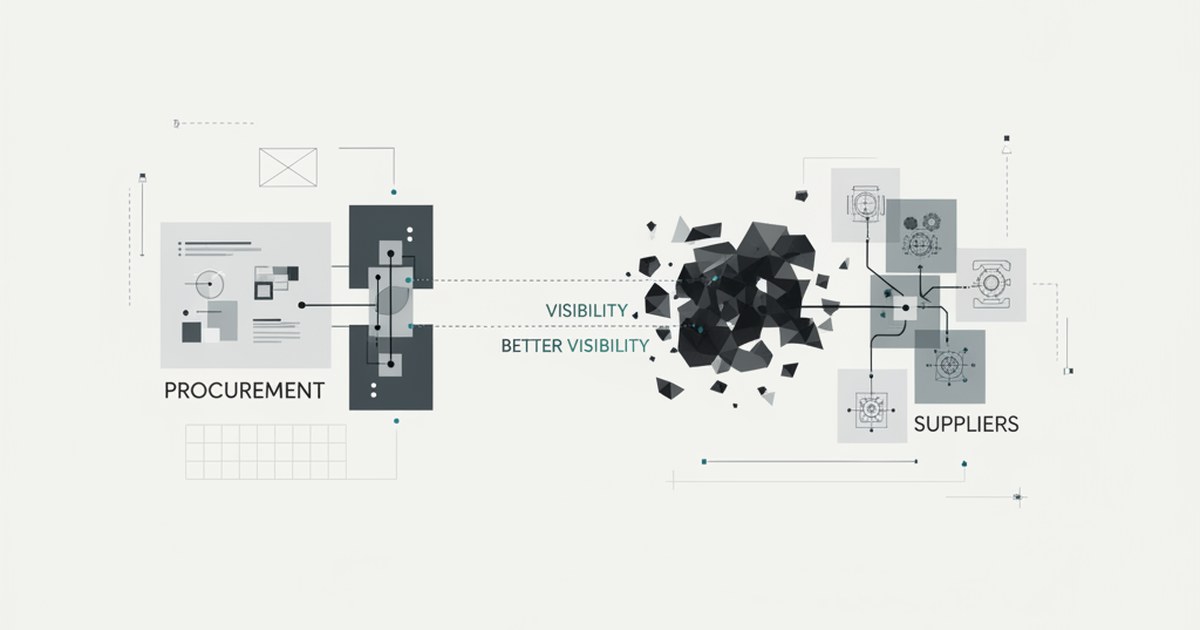
Why Procurement Needs Better Visibility Into Supplier Capacity
When procurement teams lack visibility into supplier capacity, minor delays often turn into major production bottlenecks. Improving your insight into what partners can actually deliver is essential for accurate forecasting. This post explores how real-time data and better communication can help mitigate risk and maintain business continuity.