
Insights on Procurement Intelligence
Perspectives on procurement complexity, bid evaluation, and the tools that actually move the needle for capital-intensive industries.

When Vendor Responses Don’t Match the Spec
It’s a common headache: you send out a detailed spec, but the vendor proposals you get back are way off base. This post breaks down why that communication gap exists and shares practical ways to get everyone on the same page, from early engagement and pre-bid meetings to building better evaluation frameworks.

Why Procurement Teams Struggle with Complex Equipment Schedules
Managing equipment schedules is a constant balancing act between suppliers, lead times, and project specs. We look at why procurement teams often face delays and how focusing on supplier relationships, realistic timelines, and better data can help keep projects on track and within budget.
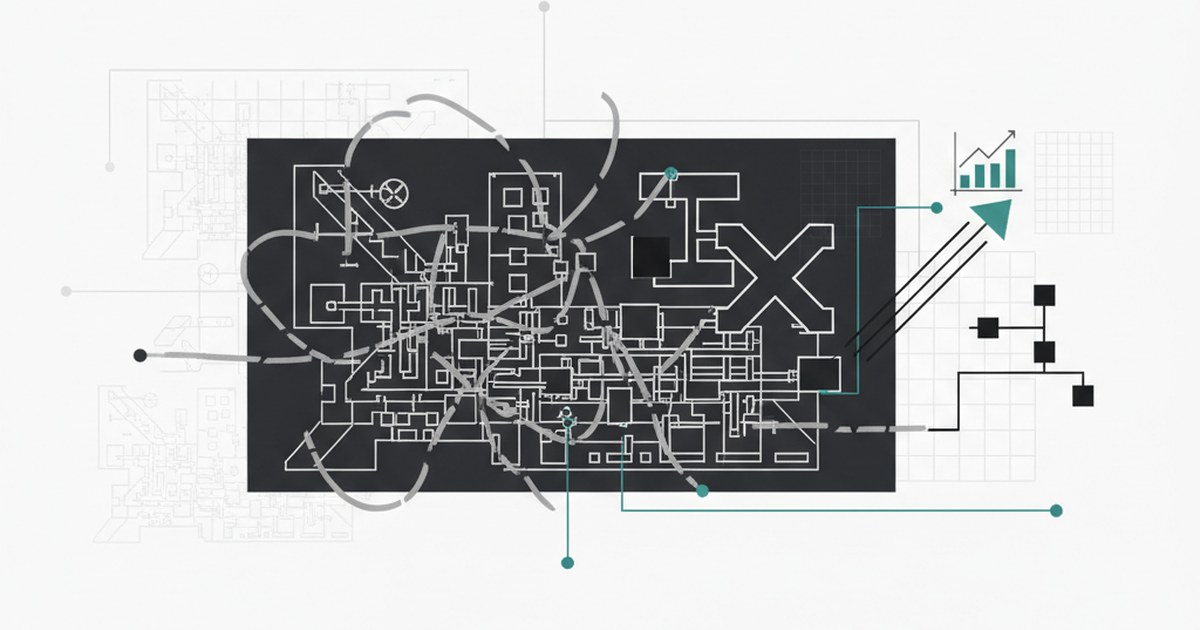
Why Capital Projects Outgrow Manual Vendor Tracking
As capital projects scale, manual tracking and spreadsheets often lead to missed deadlines and compliance risks. When vendor networks grow complex, visibility suffers and communication breaks down. We examine the specific reasons why manual processes fail and how a centralized approach helps keep large-scale projects on track and under budget.

Modernizing Procurement Without Replacing ERP
You don’t need a total ERP overhaul to modernize procurement. By integrating cloud tools, leveraging analytics, and improving supplier collaboration, you can drive efficiency while protecting your current investments. This guide covers how to upgrade your operations and reduce cycle times without the risk of a full system replacement.

Why Bid Comparison Is a Competitive Advantage
Most people see bid comparison as a simple price check, but it's actually a major strategic lever. When you look at vendor data and long-term value instead of just the bottom line, you open doors for innovation and better relationships. This post covers how a structured approach to bids can streamline operations and improve margins.
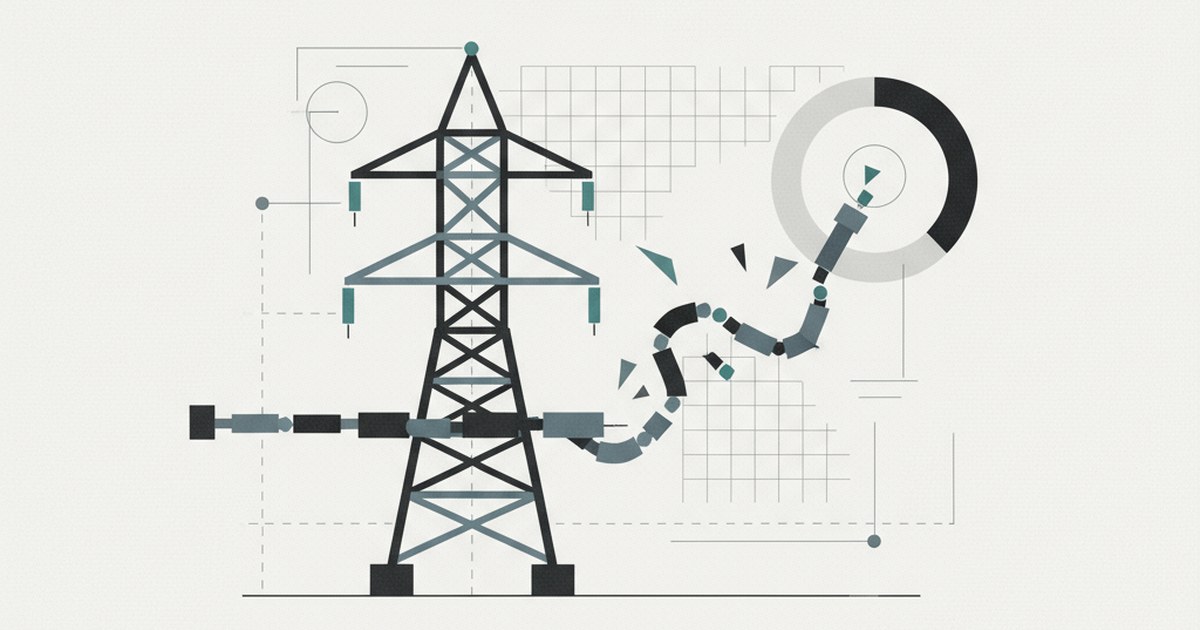
How Vendor Clarifications Derail Transmission Procurement Timelines
In procurement, time is money. When vendor clarifications start piling up, your project timeline is the first thing to suffer. Learn why these back-and-forth inquiries happen and how proactive communication and technology can streamline the RFP process, cutting weeks off your schedule and protecting your bottom line.

The Cost of Poor Bid Visibility in Infrastructure
Poor bid visibility is a major contributor to inflated project costs and missed deadlines in infrastructure. When procurement teams lack real-time insights, they face operational bottlenecks and lost opportunities for innovation. This post looks at the hidden financial impact of poor transparency and how to fix it.
Data Latency in Capital Project Procurement
Data delays in capital project procurement often lead to costly mistakes and project overruns. We look at the ripple effects of data latency and how teams are using real-time technology and better collaboration to stay ahead of market shifts and keep their budgets under control.
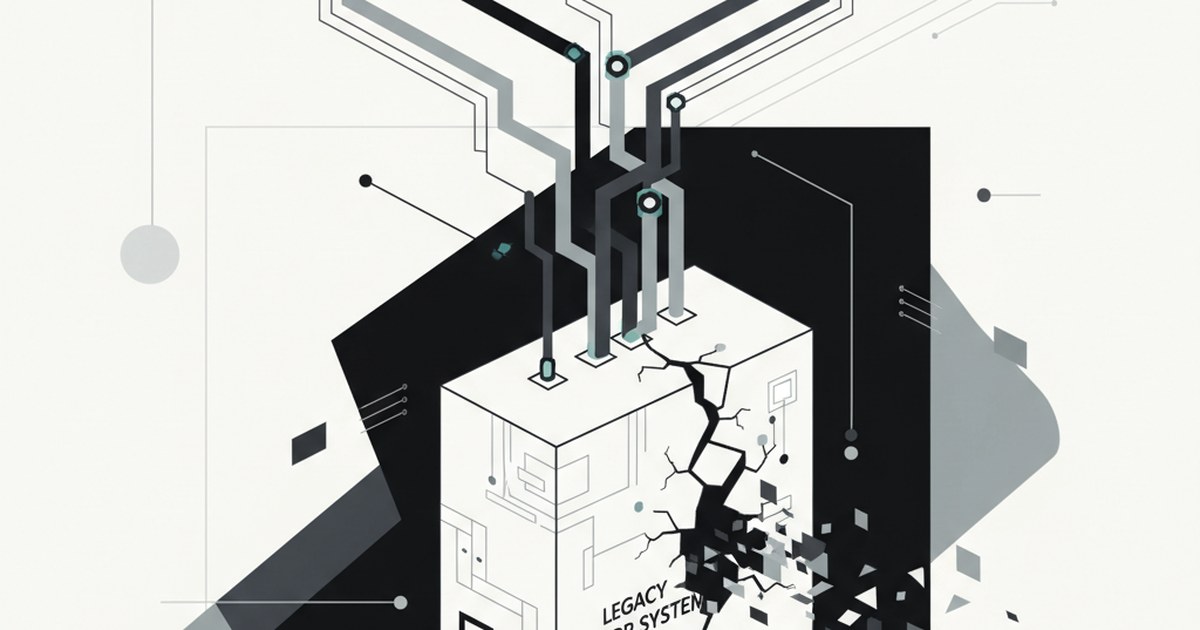
Why Transmission Upgrades Stress Legacy ERP Systems
Upgrading transmission systems for better supply chain agility often puts a massive strain on legacy ERPs. Older systems lack the APIs and processing power to handle real-time data, leading to manual workarounds and costly bottlenecks. Discover why aging infrastructure fails during these upgrades and how modern ERPs bridge the gap.
Vendor Transparency in Capital Equipment Sourcing
Sourcing capital equipment is risky when vendor relationships lack transparency. We look at how procurement leaders can avoid hidden costs and delays by setting clear expectations, leveraging tracking technology, and fostering accountability. See why making transparency a priority leads to better performance and long-term operational growth.