
Insights on Procurement Intelligence
Perspectives on procurement complexity, bid evaluation, and the tools that actually move the needle for capital-intensive industries.

How Agentic Systems Change Procurement Governance
Modern procurement governance is shifting away from slow, top-down models toward agentic systems. By decentralizing decision-making and leveraging real-time data, organizations can respond faster to disruptions, improve cross-functional collaboration, and build more resilient supply chains that prioritize accountability and efficiency.
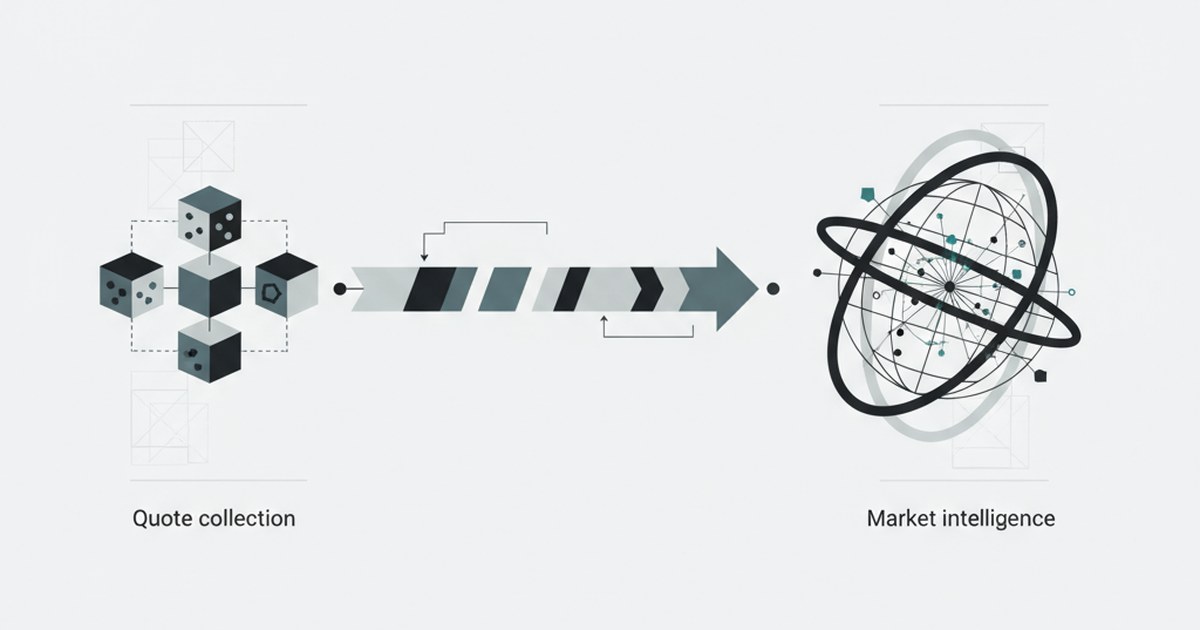
From Quote Collection to Market Intelligence
Quotes are more than just price points; they're a window into market trends and supplier stability. Shifting from simple collection to strategic analysis allows procurement teams to identify risks early and negotiate better terms. This guide explores how to turn everyday sourcing data into the intelligence needed to stay competitive.
The End of the Inbox-Driven Procurement Model
Relying on email for procurement is a recipe for missed messages and slow decisions. Modern teams are trading messy email threads for integrated platforms that provide real-time visibility and better data. We look at why the inbox-driven model is failing and how moving to digital collaboration turns procurement into a strategic advantage.
What Happens When Procurement Systems Anticipate Demand
Traditional procurement is often reactive, leading to stockouts or wasted capital. By using predictive analytics to anticipate demand, companies can optimize inventory, strengthen supplier ties, and improve financial outcomes. Here’s how moving toward a proactive, data-driven approach transforms the entire supply chain.
Why RFQ Volume Is the Wrong Metric
Tracking RFQ volume might make a procurement team look busy, but it rarely captures real value. High volume can mask hidden costs and ignore the importance of supplier relationships. This post explores why shifting focus toward the total cost of ownership and strategic partnerships leads to better outcomes than just sending more requests.

The Role of Trust in Automated Supplier Engagement
Efficiency is a priority, but automation alone can sometimes create a disconnect with your suppliers. This post explores why trust remains the backbone of successful procurement and how to balance automated systems with the human relationships needed to keep supply chains running smoothly.

How AI Agents Are Redefining the Buyer–Supplier Relationship
AI agents are doing more than just automating tasks; they're fundamentally changing how companies manage their supply chains. This post looks at how AI is being used to improve supplier communication, predict market trends, and create more personalized, data-driven procurement strategies.

Why Procurement Needs Systems That Learn, Not Just Execute
Traditional procurement tools focus on automation but often lack the flexibility to handle modern market shifts. To stay ahead, organizations need systems that learn from data and adapt in real-time. This post explores how moving beyond task execution helps teams manage risk, improve supplier relations, and drive better financial results.
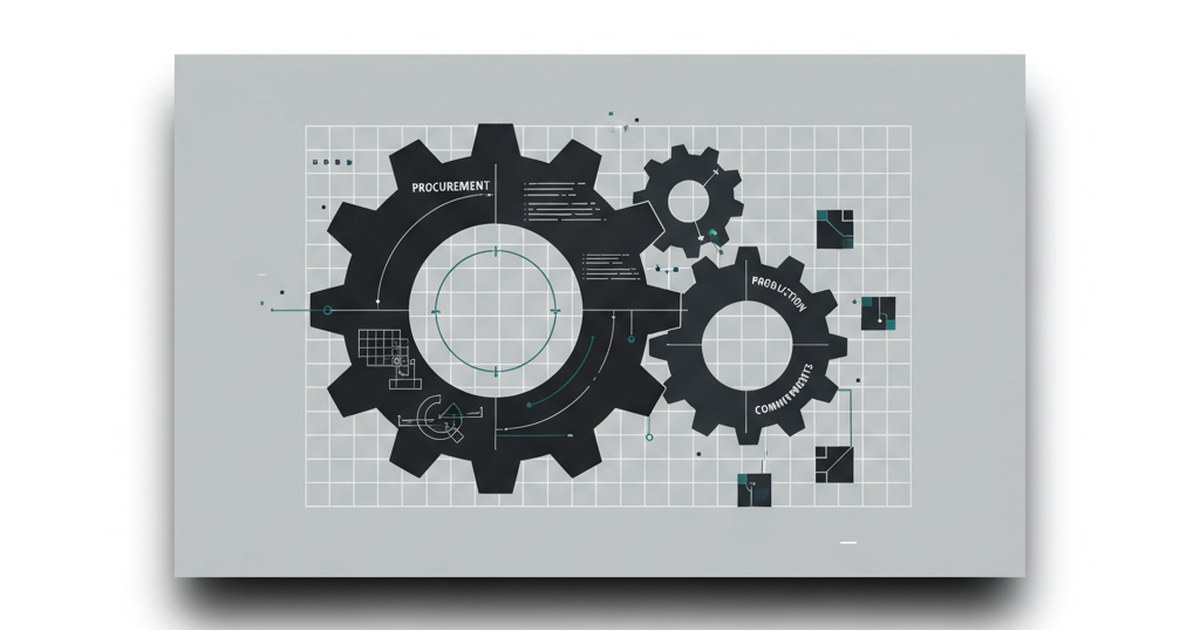
Procurement’s Role in Protecting Production Commitments
Fulfilling production promises requires a procurement strategy that does more than just cut costs. By leveraging data, fostering supplier relationships, and collaborating across departments, procurement teams can safeguard the supply chain against disruptions and ensure that production schedules stay on track.

How Digital Procurement Earns Trust at the Executive Level
Procurement often gets stuck in the back office, but digital tools are changing that. By providing real-time data, clear audit trails, and strategic insights, procurement teams can move past the "cost-cutter" label and earn a seat at the leadership table. Here’s how technology builds the transparency needed to win executive trust.